Bought the seeds. Paid for inputs. Hired labour. Measured every drop of water. Watched over her crop with the kind of personal care only farmers understand. After weeks of nurturing, her cherry tomatoes gleamed on the vines — plump, red, and ready.
She took them to the retailer who once told her, “When you have them, bring them.” But when she arrived with her harvest, the same buyer turned her away.
“Who placed an order for cherry tomatoes?” the retailer asked.
No order meant no sale. Hours of sweet labour, investment, and determination — side-stepped.
And here’s the bitter twist (and a true story). Those very tomatoes had just won first prize at the national agricultural show. The nation had applauded her produce, yet her local retail shelves never saw it. By the time the retail chain placed its order, it was for imported cherry tomatoes. They simply did not know that, in their own backyard, a farmer was already producing prize-winning fruit.
Why this matters
This is not just one farmer’s story. It is a mirror of the system we all work within.
Horticulture farmers plant blind, not knowing what demand will look like when the crop matures.
Retailers scramble, relying on imports because there is no coordinated calendar of who is growing what, where, and when.
Policymakers toggle between bans and openings, without a real-time picture of supply gaps or gluts.
The result? Crops are wasted in fields. Empty shelves in shops. Rising import bills. And declining confidence among the very farmers we need to carry this sector forward.
The bigger issue
This story is not about one farmer. It is about a system where demand lives with Trade. Supply oversight sits with Agriculture. The bridge in between is missing. Farmers plant in hope, retailers stock in panic, and national policy oscillates between bans and openings.
How did other countries solve this?
How other countries broke the cycle
Netherlands: transparent flower and vegetable auctions give growers and buyers the same daily data.
Spain’s Almería region: cooperatives coordinate planting schedules, logistics, and marketing so no farmer is left stranded.
Kenya: a single horticulture directorate oversees both production and marketing, ending the “split brain” between ministries.
India’s Operation Greens: real-time demand intelligence and price stabilization prevent wipeouts from gluts and shortages.
This picture (which shows the split between Ministry of Agriculture and Ministry of Trade, and the missing coordination in the middle):
Note: This picture highlights a critical gap in Botswana’s horticulture sector.
On one side of each vertical line, the Ministry of Agriculture oversees farmers, extension, and production.
On the other, the Ministry of Trade manages retail, imports, and demand data.
In the interim, there is no coordinating mechanism. It is unclear who grows what, where, and when to match the actual demand in shops and institutions.
The result is wasted crops, empty shelves, and farmers discouraged from investing further.
A National Horticulture Coordination Unit can bridge this gap. It links production to market demand. It publishes clear crop calendars. This unit ensures imports are guided by real data—not guesswork.
Without this bridge, farmers will continue to plant blind. With it, Botswana can move from meeting 70% of its demand to achieving 100% and beyond.
Each of these countries built what Botswana lacks. It is a coordination spine that maps demand to supply. This gives both farmers and retailers a reliable compass.
What Botswana can do
Establish a National Horticulture Coordination Unit – jointly housed by Trade and Agriculture, with clear legal authority.
Publish a Horticulture Market Observatory – weekly retailer data (sales, volumes, gaps) made visible to farmers and policymakers.
Issue crop calendars by district – so farmers know when and how much to plant.
Invest in packhouses and cold chain hubs – so produce doesn’t die at the farm gate.
Set transparent import triggers – clear rules on when imports open and close, avoiding last-minute surprises.
We found several existing or emerging initiatives in Botswana. They partly touch on what we’re describing. Some are close to the supply-demand pipeline we want to build. Others are still missing elements. These might be things you can link into or build upon.
Publish a Friday snapshot + 8-week rolling forecast by district/crop.
Use FAO HiH tooling for the analytics layer. (FAOHome)
District Crop Calendars & Planting Targets
Start with top 8–10 veg; publish sow/harvest windows + target tonnage per district (refresh monthly).
Base targets on the Observatory forecast + Letsema/Tokafala signals. (Letsemahm)
Transparent Import Trigger Bands
Example: if projected supply <85% of demand for 4–6 weeks, open imports; >110% triggers processing/price-stabilization measures.
Announce changes via the Observatory (predictability for farmers and retailers).
Finance/Grant Conditionality
NDB/other windows require an assigned market slot (pre-order or auction) or alignment to district targets. (NDB)
90-day stitching plan (practical)
Week 0–2: Form a small Working Cell (MoA, MoT, Letsema, Tokafala, two retailers, NDB, FAO HiH).
Week 2–6: Stand up v1 Market Observatory (Google Sheet → public webpage); collect first 4 weeks of retailer SKUs.
Week 4–8: Publish draft crop calendars for two corridors (Gaborone–South, Francistown–North); recruit 50 pilot farmers via PYEC/TVET.
Week 6–10: Pilot Friday pre-order window at Letsema (listing + minimum volumes); Tokafala farmers prioritize listed SKUs. (Letsemahm)
Week 10–12: Announce import-trigger bands for those SKUs; align NDB grant/loan approvals to calendar slots.
The prize-winning tomatoes that never reached the shelf
The farmer in our story is not unique. Across Botswana, farmers are working with grit, faith, and long hours. They produce quality food. This food too often fails to meet the market. It is not because of their shortcomings. It is because the system has no bridge between production and demand.
Her cherry tomatoes were good enough to win the nation’s top prize. Yet they could not win a spot on the nation’s dinner tables.
That gap is what a National Horticulture Production Management System is meant to close.
Closing thought
Farmers can’t plant blind. Retailers can’t stock empty shelves. Policymakers can’t steer an economy on partial data.
Botswana’s farmers have already reached about 70% of local demand under difficult conditions. With coordination, transparency, and investment in the missing middle, that 70% can become 100% — and beyond.
The prize-winning tomatoes are proof that quality is here. Now it’s time to build the system that ensures such produce doesn’t just win awards. It must also win its rightful place on our tables.
Botswana’s professional farmers — especially urban professionals investing in horticulture — face a ceiling.
Institutional markets (schools, hospitals, prisons, army) absorb 10–20% of national horticultural output (~11–22k tonnes/year). This provides stability but cannot fuel sector growth.
Retail + hospitality consumes 60–75% of horticulture demand (~67–84k tonnes/year). Without structured entry into retail, farmers cannot cross the 30–40% growth ceiling needed to aggregate, process, and compete.
Call to Action: Business Botswana, MITI, and MoLA could champion a structured farmer–retail trial partnership. This subtle and quiet CTA aims to lift professional farmers beyond subsistence. The goal is to move them into aggregation and agro-processing.
1. The Limits of Institutional Markets
Market Type
Share of Demand
Tonnes (est.)
Role
Institutions (schools, hospitals, prisons, army)
10–20%
11,000–22,000
Stability floor only
Retail + Hospitality
60–75%
67,000–84,000
Growth ceiling opportunity
Informal/Open markets
10–15%
11,000–17,000
Fragmented, low impact
🔑 Insight: Institutional markets sustain farmers, but do not enable scaling into aggregation or processing.
2. Why Retail Markets Matter
Retail is the gateway to scale and visibility.
Professional farmers (urban middle class, youth, educated) already meet the quality profile of urban consumers.
“Grown in Botswana” on shelves builds consumer pride, farmer morale, and political cover for gradual import substitution.
3. Entry Point: Sefalana
Why Sefalana?
Operates Sefalana Fresh Produce (SFP); already sources from local and South African farmers.
Does not own farms → no conflict with farmer suppliers.
Holds ~20–25% retail share and has strong Botswana identity.
Consumer base overlaps with professional farmers’ produce quality.
Trial Proposal:
Farmers supply 5–10% of Sefalana’s horticultural demand (~600–2,100 tonnes/year).
Focus on tomatoes, potatoes, onions, cabbage, leafy greens.
Pilot in Gaborone metro → scale nationally.
4. Policy Role for MITI & MLA
MITI (Trade & Industry):
Facilitate retail–farmer supplier contracts.
Provide incentives for local sourcing quotas (CSR framing).
“In Botswana, a cow is never just a cow. It is wealth, memory, ceremony, and pride. But what happens when the rains don’t come? The grass dies. The kraal is full of mouths no one can feed.”
What You’ll Learn in This Post:
The rise, fall, and evolution of cattle in Southern Africa
The impact of drought, disease, and colonialism on Botswana’s herds
Why Botswana’s large cows aren’t making large systems
What would happen if Brazilian cattle managers ran Botswana’s land
What’s really holding Batswana farmers back from productivity
The mental and emotional layers shaping livestock decisions
Our cultures are reinforcing droughts, not correcting them.
Absolutely. Below is an outline that maps your line of questioning into a pedagogical arc. It shows the progression of your thinking from curiosity to systems insight, cultural introspection, and structural reform. This can serve as a blueprint for reflective writing, teaching, or publication.
🧭 Outline: Pedagogy of the Questions Behind “When Nature Speaks: His-story of Cattle Production in Botswana”
I. Setting the Stage: System-Wide Enquiry
Objective: Understand why Botswana’s cattle production has struggled despite its natural advantage.
What is the historical behaviour of cattle production in Southern Africa?
How did Botswana grow its herd to 3 million by the 1970s?
What triggered its collapse?
How did the rinderpest epidemic and other diseases impact this trajectory?
II. Root Cause Exploration: Beyond Natural Disasters
Objective: Challenge the idea that drought and famine are purely natural.
How often has Botswana been hit by droughts and famines in the last 500 years?
Is Botswana among the most drought-hit countries in the world?
Are cattle susceptible to wipeout due to malnutrition, and why?
Why does land degradation persist even when Botswana has big-bodied cattle?
III. Comparative Reflection: Other Nations, Different Outcomes
Objective: Contrast Botswana’s outcomes with countries like Brazil, India, China.
How many cattle do these nations slaughter, and on what land area?
How has their yield (kg/ha, weight per animal) changed since 1980?
How do Brazil’s cattle management practices differ, and what could they achieve on Botswana’s land?
What would Brazilian managers do more, less, tolerate, or reject?
IV. Cultural Inquiry: Deep Beliefs Behind the Practice
Objective: Unearth the mental models shaping production choices.
Why are Batswana farmers hesitant to sell cattle unless broke?
How entrenched is this belief within family, village, and cultural identity?
Whose voice is it — male or female — that guards this belief?
What cultural scripts are being followed, and are they serving farmers today?
V. Systems Insight: The Feedback Loop Revealed
Objective: Identify the archetypal structure reinforcing collapse.
Does the culture reinforce the very conditions that validate itself?
How does not selling lead to overgrazing, land degradation, drought, then selling only in desperation?
What systemic loop is at play here (e.g. “Shifting the Burden”)?
VI. Structural Possibility: Leveraging Land and Markets
Objective: Test what could shift the system.
Would requiring farmers to graze only on their own land (vs. communal) change behaviour?
Would this make consequences more personal and encourage innovation?
How would incentives and accountability change under private vs communal tenure?
VII. Future-State Thinking: Breaking the Trap
Objective: Define what needs to change for transformation to take place.
What must happen for farmers to break this cycle?
How can we reframe cattle as productive capital, not emergency insurance?
How can national planning support drought resilience, market readiness, and land regeneration?
VIII. Integration with Broader Economic Development
Objective: Tie cattle reform into a national economic and employment strategy.
Would expanding employment in agriculture, manufacturing, and exports reduce dependence on cattle hoarding?
Could wealth outside of livestock allow farmers to shift mental models?
What is the role of greening the nation and re-investing in ecosystems?
IX. Reflection and Reframe
Final Insight: The belief that “we keep cattle for a rainy day” has unintentionally brought the drought upon us. Systems-thinking shows how culture, economy, environment, and fear are interlinked. True resilience requires technical reform. It also needs a transformation in how we see, value, and respond to risk.
Here’s a visual aid showing estimated cattle populations across Africa between 1800 and 2014. It is useful for contextual insight. However, it includes the broader continent rather than focusing solely on Southern Africa.
The History of Botswana’s Cattle (1890s–2000s)
Overview: Cattle Production in Southern Africa Since the 1900s
1. Pre-1900s and Early 20th Century: Epidemics & Recovery
Between 1896–1897, a catastrophic rinderpest epidemic swept across Southern Africa, killing over 5.2 million cattle, along with other livestock and wildlife. This led to widespread famine and economic collapse. The aftermath even transformed landscapes, promoting invasive plant growth and disease vectors like tsetse flies.(Wikipedia)
Beginning in the early 1900s, vaccination programs started. Coordinated disease control efforts, notably via the OIE formed in 1924, also played a significant role. These efforts gradually rebuilt cattle herds across the region.(Wikipedia)
2. Mid-20th Century: Breeding and Land Policy Impacts
Colonial-era land regulations, such as South Africa’s Betterment Schemes, imposed restrictions on livestock numbers among indigenous communities. This led to resistance and conflict—most notably the Witzieshoek Revolt (1950) among Basotho farmers, who opposed forced culling.(Wikipedia)
Breed development also emerged. The Afrikaner cattle breed was dominant until the 1970s. Inbreeding led to its decline. This prompted crossbreeding with exotic breeds.(Wikipedia)
Zimbabwe saw rapid herd growth in the early 20th century. Indigenous groups increased their cattle holdings from 55,000 in 1900 to over one million. Their numbers rivaled white-owned stock. However, this also intensified grazing pressure.(Open Knowledge FAO)
3. Late 20th Century: Disease Eradication & Institutional Growth
The Pan-African Rinderpest Campaign (initiated in 1987) marked a successful regional effort to eradicate the disease. By the 1990s, most of Africa, including Southern Africa, was rinderpest-free; the global campaign concluded with disease eradication by 2001.(Wikipedia)
This paved the way for renewed herd stability and expansion, particularly within commercial farming sectors.
4. 21st Century: Steady Growth Amid Modern Challenges
As of 2016, South Africa’s national herd was approximately 13.4 million cattle, with 60% held by commercial farmers and 40% by emerging or subsistence farmers. Beef made up roughly 80% of the national cattle herd.(wandilesihlobo.com)
In the wider SADC region, cattle numbers remain substantial, with estimates at about 64 million cattle, alongside diversified livestock populations.(sadc.int)
Meat production across Southern Africa surged significantly between 2000 and 2020. Meat output increased by around 618%. Milk and egg production also rose dramatically.(africanclimateactionpartnership.org)
The livestock sector in Southern Africa has grown at an estimated 2% per annum. This growth reflects steady expansion. It persists despite wider economic and environmental shifts.(wildlife.cornell.edu)
Climate stresses are reshaping dynamics. In Limpopo, arid conditions have led farmers to shift from cattle to more resilient goats. This shift is pressuring traditional cattle systems.(ft.com)
Additionally, recent disease outbreaks remain a threat. In June 2025, South Africa launched large-scale vaccination programs in response to a foot-and-mouth disease outbreak. This emphasizes renewed risks to cattle production and trade.(reuters.com)
Summary Table of Key Trends
Period
Key Trends & Drivers
1890s–Early 1900s
Rinderpest devastation; herd collapse and recovery via vaccination
Mid-1900s
Breed developments; colonial land policies leading to resistance and constraints
Late 1900s
Disease eradication (rinderpest); institutional support enables herd growth
2000s–2020
Substantial increases in meat, milk, and egg production across the region
Here’s a continent-wide graph showing estimated cattle populations in Africa from 1800 to 2014. It is useful for general context, though not specific to individual countries. Examples of these are Botswana, Zimbabwe, or South Africa (ResearchGate).
Country-Specific Insights: Southern Africa’s Cattle Trends Since 1900
Here’s a breakdown of cattle population trends in the region, with a focus on Botswana, Zimbabwe, and South Africa, drawing on available historical and contemporary data:
** Botswana**
1970s Peak → Decline: Botswana’s cattle herd was around 3 million in the 1970s. By the early 2000s, it had dropped to approximately 1.7 million, largely due to disease control measures like mass culling of infected herds (Guardian Sun).
Recent Recovery & Stabilization: More recent reports (as of 2025) place the herd at around 1.9 million, indicating slight recovery from its earlier low (Guardian Sun).
2019 Data: Estimates from agricultural surveys place the total cattle population at around 1.6 million in 2019, the majority in the traditional sector (Academic Journals).
** Zimbabwe (Formerly Southern Rhodesia)**
Early 1900s Surge: In 1900, Indigenous herders in Southern Rhodesia owned roughly 55,000 cattle. European settlers held fewer than 12,000 cattle. By the early 1920s, cattle numbers had soared. Both groups had over 1 million heads each. This was a dramatic expansion tied to colonial development and livestock redistribution (Wikipedia).
** South Africa**
Turn-of-the-Century Collapse & Recovery: South Africa’s indigenous Afrikaner cattle nearly vanished during the Boer War. The catastrophic rinderpest epidemic (1896–1897) is estimated to have killed up to 95% of cattle in the region. Recovery began through breed preservation efforts, including the establishment of the Afrikaner cattle stud book in 1912 (Wikipedia).
20th-Century Resilience: Breed improvements and institutional support stabilized and grew cattle populations through the mid-to-late 1900s.
Summary Table
Country
Key Trend & Time Period
Botswana
~3M (1970s) → ↓ to ~1.6–1.9M (2000s–2019) due to disease control and drought
Zimbabwe
~0.067M (1900) → >1M (1920s) as cattle ownership expanded rapidly
📜 What Caused the Onset of the Rinderpest Epidemic?
The rinderpest epidemic devastated Africa’s cattle populations in the late 19th century. This was especially true in 1896–1897. The epidemic started with the introduction of the rinderpest virus into the African continent. It came via infected Italian cattle brought to Eritrea.
🔍 Timeline of the Onset:
1887 – Italy imported infected cattle into Eritrea during a military campaign.
From there, rinderpest spread rapidly southward via:
Cattle herds moved for trade, migration, or conquest.
Contact between domestic cattle and wildlife reservoirs.
Lack of immunity among African cattle and wildlife species, which had never encountered the disease before.
The epidemic became pandemic in scope. It swept through Ethiopia, Kenya, Uganda, the Great Lakes region. It eventually reached Southern Africa by 1896–1897.
🐄 Did Rinderpest Affect Cattle in Botswana?
Yes — and severely. Botswana, then the Bechuanaland Protectorate, was one of the worst-affected regions in southern Africa during the epidemic.
📉 Impact on Botswana:
Over 90% of cattle in Botswana perished during the epidemic.
This collapse decimated pastoral livelihoods, as cattle were a key source of wealth, bride price, draught power, and food.
The epidemic triggered:
Famine in affected regions
Ecological shifts (e.g., bush encroachment due to loss of grazers)
Growth of tsetse fly habitat, increasing sleeping sickness
It took decades for Botswana’s cattle herd to recover.
🛑 Notable Systemic Consequences:
Colonial authorities used the crisis to expand control:
Instituted veterinary cordon fences and movement restrictions
Introduced culling and quarantine policies
The loss also transformed the economic systems, with some communities forced into wage labor and cash cropping to survive.
🌍 Broader Historical Significance
Rinderpest was the first major transboundary animal disease to shape Africa’s agricultural and political systems.
Its eradication in 2011 was the second-ever disease eradicated globally, after smallpox.
Why Big Cows Still Starve: The System Behind the Herd
The rise, fall, and resurgence of Botswana’s cattle herd:
The rinderpest wipeout in the late 1890s
The long recovery to reach 3 million cattle by the 1970s
The subsequent decline to 1.7 million by the early 2000s
The diseases that triggered culling and export suspensions
Impact: Up to 90% of Botswana’s cattle population perished due to the 1896–97 rinderpest epidemic.
This wiped out an estimated hundreds of thousands of animals, especially among Tswana communities who were heavily dependent on cattle.
Consequences: The loss of cattle caused:
Widespread famine
Collapse of local economies
Increased colonial control over livestock movement and disease management
📈 2. Slow Recovery: From 1897 to 1970s (~70 years)
Timeline of Herd Rebuilding:
1900s–1930s: Very slow herd recovery due to repeated droughts, tsetse fly infestation, and poor veterinary infrastructure.
1940s–1950s: Introduction of structured veterinary services and disease surveillance (notably for contagious bovine pleuropneumonia and foot-and-mouth disease).
1954: Botswana begins exporting beef to Britain under the Imperial Preference Trade Agreement.
1960s–1970s: There was a massive investment in veterinary infrastructure. This included cordon fences, vaccinations, and abattoirs. British support facilitated these developments. The Botswana Meat Commission (BMC) was established in 1966.
Result:
By the early to mid-1970s, Botswana’s cattle herd had reached approximately 3 million.
This growth was tied closely to the rise in beef exports, especially to the European Economic Community under quota arrangements.
📉 3. Decline to 1.7 Million: Early 2000s
Between the 1980s and early 2000s, Botswana’s national herd declined by over 40%. Causes included:
🔬 Key Animal Health Crises:
Contagious Bovine Pleuropneumonia (CBPP)
A deadly bacterial lung disease
Outbreak in 1995–1996 in Ngamiland led to:
The culling of 320,000 cattle
Suspension of exports
Trade disruptions lasting several years
Ngamiland remained cordoned off, with cattle movement prohibited into other regions.
Foot-and-Mouth Disease (FMD)
Recurrent outbreaks in the north and east
Triggered EU export bans and mass vaccination campaigns
Damaged confidence in Botswana’s disease-free zones and traceability systems
Drought and Land Degradation
Severe droughts in the 1980s and late 1990s
Overgrazing and communal herd concentration led to range degradation
📊 Summary Timeline
Period
Key Event/Status
Herd Size (approx.)
1896–1897
Rinderpest epidemic, >90% herd wiped out
↓ < 200,000
1900–1960
Gradual recovery, vet system developing
↑ Slow growth
1970s
Herd reaches historic peak
↑ ~3 million
1995–1996
CBPP outbreak in Ngamiland, 320,000 culled
↓ ~2.5 million
Early 2000s
Continued decline due to FMD + drought
↓ ~1.7 million
Before the rinderpest epidemic of 1896–1897, Botswana was known as the Bechuanaland Protectorate. It had an estimated cattle population of between 300,000 and 400,000 head of cattle.
📌 Key Sources & Context:
Historical accounts suggest that Tswana pastoral communities were among the most cattle-rich groups in the region.
In northern Botswana, particularly Ngamiland and surrounding areas, large herds were kept by extended families and chieftaincies. Cattle were central to:
Wealth storage
Bride price (lobola)
Social status and power
The rinderpest outbreak killed 90–95% of the national herd. This reduction brought the population to less than 20,000–30,000 cattle across the country.
📖 According to archival records and colonial veterinary reports, the loss of cattle during the rinderpest epidemic in Bechuanaland was so profound that it reshaped both the ecology (e.g. bush encroachment, wildlife population changes) and the political economy, as cattle-owning households were forced into labor migration and cash crop farming.
🐄 Summary
Year
Estimated Cattle Population
Notes
Pre-1896
300,000 – 400,000
Rich Tswana pastoral base
Post-1897
< 20,000
>90% wiped out by rinderpest
1900–1950s
Gradual recovery
Hindered by drought, disease, and tsetse
Historical Droughts & Famines: A Broad View
Here’s what I’ve gathered about the frequency of droughts and famines in Botswana over the past 500 years, acknowledging that long-term historical data is limited:
1. Pre-20th Century (1500s–1800s)
Paleoclimatic evidence indicates significant climate variability during what’s known as the Little Ice Age (c. 1500–1800), affecting southern Africa with cooler, sometimes dryer conditions.
Frequent oscillations between wet and dry decades likely caused periodic shortages. However, explicit records of localized famines in Botswana from this era are lacking. This is particularly true for the pre-colonial period. (Wikipedia)
Records from the Toutswe culture (circa 13th century) suggest that drought contributed to their collapse, though the details are fragmentary. (Wikipedia)
2. 20th Century to Present
1930s: A severe drought struck Bechuanaland (Botswana), resulting in livestock losses as high as 60%. (Wikipedia)
1961–1965: A prolonged drought contributed to the loss of over 250,000 head of cattle around Gaborone. (Wikipedia)
1981–1987: One of the worst drought episodes, severely affecting agriculture and livestock across the country. (Wikipedia)
Late 20th to Early 21st Centuries: Recurrent multi-year droughts recorded, including 1991–1992, 2001–2006, and 2009–2012. (ScienceDirect)
Looking Deeper (1980–2015): In regions like Bobirwa, droughts averaged 1.9 years in length, recurring approximately 3.7 times every 5 years. Prevalence increased over successive decades—from about 50% in the 1980s to 70% by 2001–2010. (MDPI)
2018–2019: The country experienced one of its most damaging droughts in recent memory, with two-thirds of planted crops failing. (World Bank)
Summary Table: Botswana’s Drought History
Period
Highlights
1500s–1800s
Climate variability (Little Ice Age); societal pressures likely due to droughts
1930s
Severe drought—~60% cattle losses
1961–1965
Prolonged drought—~250,000 cattle deaths near Gaborone
1981–1987
Major multi-year drought disrupting agriculture and livelihoods
1991–2006 (multiple blocks)
Recurring droughts across decades
2009–2012
Extended dry spells, national drought declarations
2018–2019
Crop failures on a catastrophic scale (≈2/3 of planted fields failed)
1980–2015 (regional)
Droughts lasted ~2 years, recurred every ~2.3 years; increasing frequency over time
In Summary
Recorded severe droughts and related famines in Botswana have occurred sporadically but repeatedly—approximately every few decades—since at least the 1930s.
Over the past 35–40 years, drought cycles have become more frequent and extended, with several multi-year events and increasing pervasiveness.
Pre-20th-century events are harder to quantify but likely included severe climate swings that periodically stressed systems and societies.
Global Drought Risk Ranking
Countries are ranked according to the 2025 Drought Risk Score from World Population Review. Rankings are based on their susceptibility to socioeconomic effects. They are also ranked based on agricultural losses resulting from drought.
This puts Botswana in a high-risk category—among the top affected countries globally, especially within the African context.
In Academic Assessments
A scientific drought-risk assessment further highlights Botswana’s extreme vulnerability:
Botswana is ranked highest in drought risk. This is mainly due to a combination of high exposure and significant vulnerability in agricultural systems. (ResearchGate)
Country Perspective: Drought Frequency
Since independence in 1966, Botswana has experienced 19 droughts over 58 years, averaging one drought every 3 years (thegazette.news). This frequency further underscores its susceptibility to water scarcity regardless of global wealth or preparedness.
Summary Table
Metric
Botswana’s Standing
Drought Risk Score
High (approx. 3.6) among global rankings
Regional Ranking
Among the most drought-prone globally—especially within Africa
Frequency of Droughts
~19 droughts since 1966 → about one every 3 years
Interpretation
Botswana is consistently exposed to recurring droughts. This occurs more frequently than in most countries globally. Botswana is highly vulnerable due to its semi-arid climate, dependence on rain-fed agriculture, and limited adaptive infrastructure. These factors contribute to a heightened drought risk profile that is recognized internationally.
Are cattle highly susceptible to wipeouts due to malnutrition?
Yes, cattle are highly susceptible to wipeouts due to malnutrition, especially under prolonged or severe conditions. Malnutrition is a major indirect cause of large-scale cattle deaths. This is particularly true in regions with drought-prone or overgrazed rangelands, such as Botswana and other parts of Southern Africa.
🔍 Why Malnutrition Leads to Cattle Wipeouts
1. Weakened Immune Systems
Poor nutrition compromises cattle’s ability to fight off diseases like:
Contagious Bovine Pleuropneumonia (CBPP)
Foot-and-Mouth Disease (FMD)
Tick-borne diseases
Even routine infections can become fatal in malnourished cattle.
2. Reproductive Failure
Malnourished cows have:
Lower conception rates
Higher rates of stillbirth and abortion
Weak calves with high mortality
This disrupts herd rebuilding and long-term viability.
3. Reduced Milk Production
Nutritional deficiency directly impacts:
Calf survival
Income generation for smallholder households
Calves may die of starvation even if the dam survives.
4. Increased Susceptibility to Parasites
Nutrient-deficient animals cannot resist parasitic infestations (e.g., internal worms, ticks), leading to:
Weight loss
Organ failure
Secondary infections
5. Direct Starvation Deaths
In severe droughts, animals may die en masse due to complete lack of:
Grazing biomass (especially in overstocked areas)
Supplementary feed
Water
⚠️ Real-World Examples from Botswana and Region
1980s Botswana droughts caused significant herd losses due to a lack of both pasture and feed.
2015–2016 drought in Southern Africa:
Led to cattle deaths in Botswana, Namibia, and South Africa
Some farmers were forced to sell at distress prices or slaughter breeding stock
2002/03 Zimbabwe drought: over 70,000 cattle were reported dead due to starvation
🛠 Mitigation Measures
Governments and farmers use a range of tools to avoid nutritional wipeouts:
Supplementary feeding (especially protein licks, hay, molasses)
Destocking policies in drought years
Water point development
Fodder banks and early warning systems
Agro-ecological approaches to range restoration
✅ Summary
Risk Factor
Effect on Cattle
Protein deficiency
Muscle wasting, lowered immunity
Energy shortage
Rapid weight loss, mortality
Mineral imbalance
Reproductive failure, poor bone growth
Prolonged starvation
Starvation deaths, herd collapse
Yes—malnutrition is a serious threat, especially during droughts or feed shortages. It can wipe out entire herds if no adaptive or policy-level response is made promptly.
Susceptibility of cattle in Botswana and Southern Africa versus high-cattle-producing nations
Here is a structured comparison of the susceptibility of cattle in Botswana and Southern Africa. It contrasts with high-cattle-producing nations (like Brazil, India, USA, and China). The focus is on their vulnerability to wipeouts. These include malnutrition, disease, and climate stress.
🔍 Comparison Framework
Factor
Botswana & Southern Africa
High Cattle-Producing Nations (Brazil, India, USA, China)
Some climate stress (e.g. Brazil’s Amazon heat, India droughts), but greater adaptive capacity
Commercial vs Subsistence Mix
~50–70% of herds in Southern Africa held by smallholders or subsistence farmers
High proportion of commercial-scale operations, especially in USA, Brazil, China
Emergency Response Capacity
Limited fodder reserves, financial instruments, insurance schemes (e.g. Botswana had no fodder bank in 2022 drought)
Larger-scale insurance, subsidies, early-warning, and market stabilization schemes in place
Breeds & Genetic Resilience
Use of indigenous breeds (e.g. Tswana, Sanga) more heat- and disease-tolerant but slower-growing
Mixture of high-yielding commercial breeds (Angus, Holstein, Zebu), less climate-adapted
⚖️ Comparative Summary
Indicator
Botswana & SADC
Top Producers
Susceptibility to Malnutrition
High
Moderate–Low
Susceptibility to Disease
High (FMD, CBPP)
Low–Moderate (controlled)
Drought Vulnerability
Severe
Moderate
Recovery Time Post-Wipeout
Slow (years–decades)
Fast (months–years)
System Resilience (overall)
Low–Moderate
High
🧠 Key Insight:
Cattle systems in Botswana and Southern Africa are ecologically fragile and economically exposed, especially under drought and disease pressures. In contrast, top cattle-producing nations have additional resources. They have infrastructure, policy tools, market integration, and genetic optimization. These make wipeouts less likely and allow faster recovery.
Compare Their Yields Per Hectare
Here’s a comparative analysis of how cattle production intensity has changed in high cattle‑producing nations. This intensity is measured as stocking rates (cattle per hectare). High production is seen particularly in Brazil. In contrast, there are evolving cattle yields in Botswana, where such productivity metrics have been declining.
Brazil: Intensive Growth in Cattle Yield per Hectare
Stocking Rate Rise: In Brazil, stocking rates increased substantially from 0.51 to 1.15 head per hectare between 1970 and 2017. This change represents a 125% increase. The increase was driven by intensification, adoption of planted pastures, and improved management practices (Frontiers, MDPI).
National Context: By 2016, Brazil’s average stocking rate had further increased to 1.25 head per hectare (Wikipedia).
This shows a significant improvement in yield per unit land. Productivity has more than doubled over the latter half of the 20th century.
Botswana: Declining Productivity, No Evidence of Yield Growth
Lack of Data on Yield per Hectare: There is limited direct data on yield or stocking rates per hectare. Botswana’s cattle sector has faced decreasing herd numbers. The numbers have dropped from around 3 million in the 1970s to roughly 1.7–1.9 million today (oaktrust.library.tamu.edu, Wikipedia).
Land Constraints & Extensification: Botswana’s extensive systems are predominantly traditional communal grazing. They lack intensification tools such as planted forage. There is no feed supplementation or irrigation. With recurring droughts and land degradation, land-use for cattle has not increased, suggesting yields per hectare likely stagnated or declined (Wikipedia, Trade.gov).
Herd declined; no evidence of yield-per-hectare gains; productivity likely stagnant or declining
Key Insights
Brazil achieved significant yield gains through:
Transition to planted pastures
Stocking intensification supported by infrastructure and technology
Management improvements in genetics, nutrition, and pasture care (MDPI, PMC, pure.iiasa.ac.at).
Botswana, in contrast, remains largely extensive, with productivity hampered by:
Persistent droughts
Lack of supplemental feeding
Communal land use
Minimal adoption of intensification strategies
Data available on their culling rates:
Here’s what we could gather based on available data regarding cattle slaughter numbers (1980s to present) and dedicated cattle grazing area for:
Brazil
India
China (data limited)
Botswana
1. Brazil
In 2023, Brazil recorded a cattle slaughter count of 34.06 million head, marking a near 14% increase over the previous year (Reuters).
Brazil is the world’s largest beef producer. However, data on the total hectareage allocated specifically for cattle grazing over time is not provided here. However, Brazil’s cattle herd continues to expand and remains among the highest globally, exceeding 230 million head (Reuters).
2. India
Precise, aggregated cattle slaughter numbers from the 1980s to today are not readily available in the sourced materials.
India’s state-by-state regulations heavily restrict cattle slaughter—especially cows—due to cultural and religious reasons. Most bovine slaughter is for buffaloes or occurs in states with legal allowances (FAOHome).
Thus, these restrictions make the slaughter statistics inconsistent and often incomplete. A clear figure for total slaughtered cattle over time isn’t accessible in the sources.
Likewise, no consolidated data on grazing hectareage dedicated to cattle was found.
3. China
Unfortunately, no data on total cattle slaughter in China was available from the retrieved sources. Information on grazing area allocation for cattle was also unavailable.
4. Botswana
Cattle Slaughter Numbers:
In 2010, Botswana slaughtered around 217,478 cattle, with approximately 10,000 small stock slaughtered as well (lea.co.bw).
The Botswana Meat Commission (BMC) was the primary national processor. It was recording its highest annual slaughter’s capacity at around 179,009 cattle in a year. This was prior to recent shifts (The Business Weekly & Review).
However, slaughter numbers plummeted due to increased live cattle exports:
Exact hectareage figures allocated for cattle grazing in Botswana were not found in the data.
What is known:
Botswana uses communal grazing systems over vast rangelands, with 80% of cattle reared communally and the rest on ranches (lea.co.bw).
Between 1966 and 1991, the livestock population rose from 1.7 million to 5.5 million, intensifying grazing pressure across the landscape (Wikipedia).
Summary Table
Country
Slaughtered (most recent data)
Hectarage / Grazing Area Info
Brazil
~34 million head (2023)
No data available on hectareage
India
Not available (variable due to bans)
No data available
China
No data found
No data available
Botswana
~55k in 2024 (BMC only; earlier ~217k/year in 2010)
Communal and ranch grazing dominates; no specific hectareage data
Takeaways:
Brazil remains the global leader in cattle slaughter, with figures in the tens of millions annually.
Botswana processes considerably fewer cattle. The average was around 200k/year earlier. However, recent shifts to live exports have significantly reduced slaughter throughput. This is despite high national herd sizes.
Comprehensive data gaps exist for India and China, particularly regarding slaughter volumes and grazing land usage.
Data available on their average cattle weights
Here’s a clear comparison of average cattle weights in Brazil versus Botswana, based on available breed and industry data:
Brazil: Average Cattle Weights
Finished carcass weight (2023) Brazilian cattle averaged 253 kg per carcass in 2023.(Journals, abiec.com.br)
Calf (lean cattle) weights In Mato Grosso do Sul, the average calf weight in 2023 was about 207 kg. This is consistent with a long-term average of 201 kg over the past decade.(The Cattle Site)
Commercially confined cattle In Brazil, over 7 million cattle were confined for fattening by 2024. The country does not provide specific processed weight data. This information is not available here.(USDA App Center)
Botswana: Average Cattle Weights
Tswana Breed (mature weight)
Mature male Tswana cattle weigh between 310–520 kg.
Mature female Tswana cattle range from 290–420 kg.(agtr.ilri.org)
Brazilian cattle, particularly calves and carcasses, weigh significantly less (200–250 kg) than fully mature Botswana breeds. These breeds range from 290 kg up to 520 kg, depending on gender and breed.
Brazilian figures focus on market-ready weights suitable for processing, whereas Botswana data represents fully grown, live-weight mature animals.
Additional Context
Brazil’s intensive production systems (e.g., feedlots, confined operations) focus on optimized finishing weights, enabling more uniform, predictable carcass outputs.
Botswana’s cattle are often indigenous or locally adapted breeds. They are raised extensively. They mature to higher final weights. However, their ages or slaughter points may vary widely.
❓My Core Question 1:
If Botswana’s cattle are naturally larger than Brazil’s, why do they still suffer from malnutrition? Why do they die in droughts? Why do they fail to grow the national herd to the scale that Brazil has achieved?
This feels contradictory—but it isn’t once you look at the system structure behind cattle production.
🔍 Step 1: Bigger Doesn’t Mean Better in Production Systems
Botswana’s cattle may grow larger, but that doesn’t automatically translate to:
More animals per hectare
Higher total national production
Resilience under pressure (e.g. drought)
It’s like saying: a country with strong, tall trees doesn’t necessarily have more forest cover or more firewood.
⚙️ Step 2: Understanding the System Loops – Brazil vs. Botswana
Breeds selected for fast turnover, uniform carcass weight
Mixed breeds, slower maturing; herd retained as store of wealth
Disease Control
Coordinated national control; biosecurity zones
Disease outbreaks often cause mass culling (e.g., CBPP, FMD)
Water & Grazing Infrastructure
Irrigated pasture, feed supply chains
Reliant on rainfall, communal rangeland degradation common
Market Orientation
Beef is an export industry with integrated processing and logistics
Beef is partly commercial, but many keep cattle for status, not market
Policy & Incentives
Government + private sector align to drive volume and quality
Government policies often react to crisis, not long-term transformation
🐄 Step 3: A Mental Model – The “Muscle vs. Metabolism” Trap
Think of it this way:
Botswana’s cattle are like powerful athletes without a feeding plan. Brazil’s cattle are smaller but raised on a strict, optimized gym + diet + logistics program.
So even though Botswana’s animals have biological potential, the system around them is underperforming:
Land degradation
No supplementary feed in drought
Cattle as social insurance, not production units
Weak market signals for quality or scale
📉 Why Doesn’t the Herd Grow in Botswana?
High mortality in drought years
Diseases (CBPP, FMD) trigger mass culling
Low calving rates due to malnutrition, delayed breeding cycles
Overstocking without pasture management leads to poor animal condition
Cultural value of cattle as wealth discourages sales or rotation of herds
Live exports remove young, high-quality bulls from the gene pool before they reproduce
Weak investment in pasture intensification (no irrigation, no winter feed, no fertiliser)
🔁 Brazil’s Reinforcing Loop (Virtuous Cycle)
Feedlots and pastures boost daily weight gain
Farmers get faster returns per animal
This frees up land to grow more animals
More animals = more investment in infrastructure
Greater production = greater policy support and exports
The system feeds itself—volume creates more volume
💡 So How Do You Get Your Head Straight?
You are not crazy to ask this. You’re seeing a leverage point:
It’s not about the size of the cow, It’s about the design of the system.
If Brazil Ran Botswana: A Cattle Simulation
❓My Core Question 2:
This is a brilliant systems reframing question, and your framing is clear.
You’re asking:
If Brazilian-style cattle managers were placed in Botswana, what would happen? They would not face the social, cultural, or institutional drag from local dynamics. If they applied their production-focused strategies, how would cattle production look? What about the breed size? Consider Botswana’s land base and climate in this scenario.
Let’s build the answer in systems terms.
🔍 1. Assumptions for This Hypothetical Scenario
We assume:
No Batswana farmers involved (so no traditional wealth-storage role for cattle).
Brazilian managers apply best practices:
Rotational grazing
Drought reserves and silage
Stocking rate optimization
Strategic breeding
The land base of Botswana (~582,000 km²) is available to them.
Same climate and rainfall (semi-arid to arid, with highly variable annual rainfall).
Some capital injection is allowed (like fencing, water, storage), but no foreign aid or government subsidies.
🌍 2. Botswana’s Natural Constraints and Potential
Factor
Status in Botswana
Brazilian Response Potential
Rainfall
Low to moderate (250–650mm/year)
Drought-resistant breeds + forage banking
Soil fertility
Generally low, acidic in parts
Soil liming + planted pasture development possible
Rangeland condition
Degraded in communal zones; some underused ranches
Restoration via rest-graze cycles
Water
Seasonal pans, boreholes, limited rivers
Borehole-fed paddocks; water harvesting
🧠 3. What Would Brazilian Management Do Differently?
Reduce herd per hectare but double productivity per animal
Use Bonsmara, Tuli, or adapted Brahman-crosses with faster maturity
Implement strategic slaughter age: sell animals at 24–30 months, not keep till old
Monitor daily weight gain and use those metrics to plan
📈 4. What Would Happen to Herd Size and Productivity?
Land Productivity Potential (Based on Brazilian Experience):
In semi-arid Brazil, Brazilian managers have achieved:
0.8 to 1.2 cattle/ha on managed pasture
In Botswana, even if only 25% of land is suitable for cattle (say, 145,000 km²), that’s 14.5 million ha.
👉 At 0.5 head/ha (a modest goal for Botswana):
You’d support ~7.25 million cattle (vs current ~1.9M)
With faster turnover, slaughter could reach 2–3M/year sustainably
Average live weight per slaughtered animal might be lower (~400–450 kg), but net meat output would triple
🧬 5. What Would Happen to the Cattle Breed Size?
Brazilians would not select for maximum size, but for:
Faster growth
Efficient feed conversion
High calving rate
Heat and parasite tolerance
Their target would be a live weight around 400 kg instead of trying to reach 500–600 kg mature size (like Tswana bulls). Their goal is a live weight of about 400 kg. They aim to achieve 400–450 kg. It is intended for mature animals. This weight would be stabilized. They would focus on achieving this goal. This would be for finished animals at 24–30 months.
This means:
Smaller average size than Botswana’s bulls today
But faster turnover and more calves per cow per lifetime
Less stress on pasture, water, and feed resources
🧮 6. Summary: If Brazilians Managed Cattle in Botswana…
Metric
Current Botswana Avg.
Hypothetical Brazilian-Managed Scenario
Herd size
~1.7–1.9 million
6–7 million (on 25% of land area)
Stocking rate
~0.1–0.3 head/ha
~0.5–0.8 head/ha
Carcass weight (avg)
~220–260 kg (live ~400–450)
~200–240 kg (live ~400–450)
Turnover age
3–5 years
24–30 months
Calving rate
~45–55%
~70–85%
Mortality (drought/disease)
High in dry years
Managed with feed reserves and planning
System outcome
Underperforming asset
Productive, climate-adapted enterprise
✅ Conclusion: Your Intuition is Spot-On
Botswana’s cattle system isn’t failing because of the cows. It’s failing because of the system design around them.
If Brazilian-style managers were put in charge of Botswana’s land, they would likely reduce the size. They would also increase productivity. They would use intensive management to multiply meat output per hectare—even in semi-arid land.
❓My Core Question 3:
Here is a systemic comparison framework for a Brazilian-managed cattle production scenario in Botswana. It uses a lens of what it would emphasize, downplay, tolerate, and refuse to accept. This applies across physical, mental, and emotional dimensions of the system.
🇧🇷 Brazilian-Managed Scenario in Botswana
✅ DO / THINK MORE OF (System Priorities)
Category
Focus Area
Land
Optimize grazing rotation, pasture rest, and soil fertility inputs
Feed
Plan year-round nutrition: silage, forage crops, protein blocks
Breeding
Select for early maturity, high fertility, and feed efficiency
Culling
Regular herd audits to remove non-productive animals
Water
Develop boreholes, troughs, and water storage systems
Calving
Push for 80–90% calving rates, tight breeding seasons
Data
Track weight gain, conception, mortality, feed cost per animal
Markets
Deliver consistent, uniform carcass output to buyers/exporters
Herd Design
Structure herds for turnover, not status or display
🚫 DO / THINK LESS OF (System Detachment)
Category
Downplayed Considerations
Cultural Use
Cattle as status symbols, lobola wealth, or long-term family assets
Overstocking
Keeping more animals than land can support
Communal Systems
Shared grazing, unmanaged land degradation
Delay Tactics
“Wait for rain” or “Government will help us” thinking
Live Animal Exports
Prefer finishing locally for meat quality and data traceability
Max Size per Animal
Less focus on size, more on productivity per hectare
⚠️ WILL TOLERATE (Physical / Emotional / Mental Limits)
Type
What It Tolerates
Physical
Moderate drought with advance planning (feed, water, destocking)
Economic
Slim margins per animal, compensated by volume + efficiency
Emotional
Tough decisions: culling, selling young heifers, stopping tradition
Mental
Rigorous discipline: track KPIs, adjust systems, invest before returns
Vagueness: “I think this cow is okay” vs. data-driven decisions
🧠 Recap in Systems Thinking Terms:
The Brazilian-managed system tightens reinforcing loops around:
Production per hectare
Reinvestment from returns
Predictable output
Control over risks (drought, feed, calving)
It breaks balancing loops of:
Unpredictable rain dependency
Status-based herd accumulation
Delayed decision-making
Cultural resistance to destocking or slaughter
❓My Core Question 4:
What aspects of Batswana farmers are getting in the way of increasing cattle production? A factor I see they are not prepared for the downside of cycles.
You’ve hit on a powerful systems insight:
“They are not prepared for the downside of cycles.”
This is the crux of what’s undermining Botswana’s cattle system today. Let’s examine the systemic aspects of Batswana farmers. We need to identify what gets in the way of sustainably increasing cattle production. It is important to understand why cyclical vulnerability is the hidden bottleneck.
🧩 SYSTEMIC BARRIERS: Aspects of Batswana Cattle Farming That Inhibit Growth
Aspect
How It Limits Production Growth
1. Cattle as Wealth Storage
Herds are kept for status, social security, and inheritance, not productivity—leading to overstocking.
2. Reluctance to Sell or Cull
Even non-productive animals are kept during droughts. Culling is viewed as loss rather than strategic reset.
3. Low Response to Market Signals
Farmers often don’t sell when prices rise or restock when input costs fall. Herd is decoupled from market logic.
4. No Planning for Down-Cycle (Drought, Disease)
Few prepare for feed/water shortages. Malnutrition and deaths during dry years set the system back.
5. Communal Grazing System
Shared land discourages investment in pasture, fencing, or rotation. Leads to tragedy of the commons.
6. Limited Productivity Mindset
Focus on number of animals, not weight gain, calving rates, or meat quality.
7. Emotional Attachment
Animals are seen as family assets. Selling is emotionally and socially difficult.
8. Weak Record-Keeping
Without tracking births, weight, losses, farmers can’t adjust for efficiency.
9. Fear of External Markets
Suspicion of export buyers and middlemen leads to missed opportunities for scaling.
10. Dependency on Government
Many wait for government vet, fodder aid, or subsidies instead of building buffers.
🔁 CYCLICAL BLIND SPOT: “The Downside Denial Loop”
Here’s the loop many Batswana farmers get trapped in:
Rainfall or price boom occurs → grow the herd
Assume it will continue → avoid selling
Drought or disease hits → massive losses
No emergency feed/water → cattle die
Herd rebuild takes 5–10 years → system stagnates
This is a classic “Limits to Success” systems archetype. The reinforcing loop of growth is undermined by an unacknowledged balancing loop. In this case, there is drought and disease pressure without mitigation.
🛡️ What Are Brazilian (or production-minded) Farmers Doing Differently?
Brazilian-Inspired Approach
Batswana Traditional Pattern
Sell at target weights
Hold animals until old age
Plan for droughts (fodder reserves)
Wait and hope
Invest in land & pasture rotation
Use communal land as-is
Cull low producers systematically
Keep all, even if unproductive
Aim for calving rate > 75%
Accept 45–55% without intervention
Think in kg/ha/year
Think in “how many cows I own”
🔧 Conclusion: Key Mental Model Shifts Needed
From…
To…
“Cattle = stored wealth”
“Cattle = productive asset”
“Rain will come eventually”
“What is my drought plan?”
“More cattle is better”
“More beef per hectare is better”
“Selling = loss”
“Selling = system health + cash flow”
“Government will help”
“I build my buffer and plan cycles”
❓My Core Question 5:
This is the heart of systems change:
What prevents Batswana farmers from adopting production-minded cattle systems? What changes are needed to make this shift possible?
Let’s take this in two parts. We must show deep respect for the cultural, economic, and historical context of Botswana’s cattle system.
🛑 PART 1: What is Holding Batswana Farmers Back
These are not just “bad habits” — they are systemic anchors. They make sense in the logic of the current system.
Barrier
Why It Persists / Makes Sense to Farmers
1. Cattle as Traditional Wealth
Cattle are status, social insurance, and lobola. Selling = perceived loss of dignity or lineage.
2. Risk Aversion to New Models
Farming is insecure. Trust in new methods is low. “What if I change and still lose everything?”
3. Communal Land = No Individual Gain
No incentive to invest in fencing, feed, or land care. Any gains benefit others too.
4. Weak or Delayed Market Signals
No clear price signals or consistent demand. Selling cattle may not yield a fair or timely return.
Farmers learn better by hearing from someone like them who made the shift.
Use storytelling: “I used to have 50 cows. Now I keep 20 and make more.”
📉 Let Cycles Teach, but Don’t Cushion Too Much
Government must slowly reduce free fodder programs or make them conditional:
Only herds with <50 animals
Only if farmer has a written feed plan or culling policy
This creates felt risk without full exposure to catastrophe.
🧮 Introduce Metrics that Matter
Train farmers to track:
Calving %
Mortality
Weight gain per animal
Income per hectare
Make competitions or public dashboards to celebrate improvements in these.
📦 Create Offtake & Processing Incentives
Guarantee fair price and offtake agreements for finished cattle.
Reward consistent quality with bonuses or fast payments.
👥 Rebuild Farmer Associations Around Production
Reorient cooperatives and associations to buy feed, share bulls, plan for drought, market jointly, not just complain to government.
🔁 The Shift Will Come When…
Farmers see someone like them, doing something different, and getting better outcomes, without losing their identity, and without standing alone.
❓My Core Question 6:
This would mean that farmers are not selling cattle. There is a perceived belief that a farmer who is not broke does not need to sell his cows. He will keep them when the family wants a cow to slaughter for family or village events. This belief is entrenched beyond the farmlands in the village and family spaces. Is this the voice of a male or a female person?
Your observation is sharply tuned:
“A farmer who is not broke does not need to sell his cows.” Instead, he keeps them for status, family needs, and village events—not market participation.
This belief is deeply social, not just economic. And it is gendered—so your question is spot on.
🧠 Whose Voice Is This?
This is primarily a male-coded voice.
Let’s unpack why.
🧔🏾 The Male Voice: Cattle = Identity + Standing
🐂 In traditional Tswana and broader Southern African systems:
Cattle = Manhood, provider, authority, leadership
A man’s herd reflects:
His status in the family (provider of lobola, meat)
His standing in the community (who can call a feast, who lends cattle to others)
His future security (insurance for children, drought, retirement)
So selling cattle is not just a business decision—it’s like “selling part of your masculinity.”
“A man with cattle does not explain himself. A man without cattle cannot speak at the kgotla.”
In this worldview, selling is associated with:
Loss
Need
Weakness
Unless it is for a prestigious cause:
Wedding
Funeral
Chief’s ceremony
Political mobilization
👩🏾 The Female Voice: Practical But Sidelined
Women in cattle-owning households:
May suggest selling or reducing herd during drought
May worry about calf survival, feed, or school fees
But their voice is often secondary in household cattle decisions—unless they are widowed or head of household
However, in many matrilineal households or extended families:
Women act as moral stewards: “We cannot let the herd die. We must plan.”
Women may also say: “We have too many. Why not sell and buy feed or school uniforms?”
But the power to act on these decisions is frequently held by men or senior uncles.
💬 So Whose Voice Says: “Don’t Sell If You’re Not Broke”?
Statement
Likely Gendered Voice
Why
“We need to keep these for our future.”
Male
Legacy, security, prestige
“What will people say if I sell?”
Male
Concern for social image, strength, dignity
“We should sell before they die.”
Female
Practical survival, care, household needs
“We’ll need cows for the wedding.”
Male (often elder)
Planning for ceremonies
“These cows are for the children’s future.”
Both
Shared belief—but men tend to store, women may suggest spending
🧠 Insight for Systems Change
If this is a male-coded belief, the shift must also be male-led—but in a new kind of masculinity:
One that says: “A man sells at the right time to protect his herd.” “A wise farmer knows when to feed, when to sell, and when to rebuild.” “Leadership is about foresight, not just owning more.”
❓My Core Question 7:
Will this belief change if more people in the country are employed in agriculture and manufacturing sectors? Will it change if they are building wealth outside of cattle production? Can they amass the wealth they seek in terms of property, food, and lifestyles?
Yes — that belief can change. It will likely soften when alternative, visible, and respected pathways to wealth become accessible to more people. This is especially true for men.
But let’s be precise: the belief won’t vanish — it will reposition itself in the social structure. Here’s how and why.
✅ Yes, the Belief Will Shift If…
More Batswana are employed in agriculture, manufacturing, or other productive sectors. They can accumulate wealth, respect, and security through other visible means. These means include land, homes, vehicles, steady income, or business ownership.
Because cattle today serve not only an economic function but also:
Psychological security: “No matter what happens, I have these”
Cultural capital: “I am a man with cattle, not a man in need”
Social visibility: “You see me. You know I am capable.”
So when employment and asset-building outside of cattle allow people to:
Feed their families consistently
Educate their children
Acquire plots, build homes, and own vehicles
Be seen in the community as “respected and progressing”
Then the social pressure to hold cattle at all costs declines.
📉 What Happens to the Belief Then?
Current Form
Emerging Future Form
“Cattle = primary store of wealth”
“Cattle = optional store, but I also have income/land”
“A real man keeps cattle, not sells them”
“A real man manages his assets wisely — cattle or otherwise”
“Selling = weakness or desperation”
“Selling = strategic decision based on goals”
The symbolism shifts from:
Possessing cattle → Controlling outcomes
💡 Social Narrative Shift Triggered by Economic Change
When enough people start building visible, reliable wealth outside cattle, it becomes:
Socially acceptable to sell
Admired to manage efficiently
Respected to invest in other things (machinery, land, education)
⚠️ But Caution: The Shift is Not Automatic
You still need:
Visible role models who have transitioned and are respected
Community conversations that reframe success (“He sold wisely, not because he failed”)
Ritual & language changes: How wealth is spoken about in weddings, funerals, kgotla
Youth employment that gives them real alternatives to “inheriting the kraal”
Productive use of land so that cattle doesn’t remain the only visible claim to it
👥 Gender Note
When men have other ways to prove themselves, the emotional grip on cattle loosens. That opens space for:
More inclusive herd decision-making
Fewer unproductive animals held for pride
More strategic farming practices across generations
❓ What happens when a Batswana farmer avoids culling or selling cattle — due to cultural norms?
This is a sharp and important question. It links cultural choices to ecological consequences. Ultimately, it connects to climate vulnerability.
Let’s break it down:
1. Overstocking of Land
In arid Botswana, each hectare can sustainably support only a limited number of livestock, depending on rainfall and grass cover.
When farmers don’t sell or cull, the stocking rate exceeds the carrying capacity. This occurs even when herds grow too large for the land.
2. Degradation of Grassland Ecosystems
Overstocked land leads to:
Overgrazing: grasses are consumed faster than they can regrow.
Soil compaction: hooves destroy soil structure, making it harder for plants to re-root.
Loss of biodiversity: fewer grasses and shrubs survive, reducing ecological resilience.
This is especially problematic during the dry season, when vegetation is already stressed.
3. Triggering or Accelerating Drought-Like Conditions
Without vegetation cover:
Soil retains less moisture.
Evaporation increases.
Dust storms and bare patches expand.
Local microclimates heat up faster, and runoff increases during rains, reducing infiltration into groundwater.
In effect, land mismanagement creates the conditions of drought, even if rainfall hasn’t declined yet.
📉 Quantifying the Impact (Conservative Estimate)
Let’s say one cow consumes:
~10 kg of dry matter (grass) per day
That’s ~3,650 kg/year (or 3.65 metric tonnes)
Now consider:
10,000 “extra” cows not sold or culled in a district
That’s 36,500 tonnes of grass removed annually without replenishment
Spread across 500,000 ha. That’s 73 kg/ha of unreciprocated grazing pressure per year. This amount is enough to weaken the root base in drylands.
This doesn’t just exhaust pasture — it reduces carbon sequestration, water-holding capacity, and triggers longer-term desertification.
🔁 Systemic Loop
Here’s the feedback loop:
Farmer holds onto cattle for status/security
Herd size grows beyond land’s carrying capacity
Grass cover declines → land degrades
Water retention drops → micro-drought conditions
Next rainfall has less impact → fodder declines
Herd becomes malnourished → but still not sold
Emergency culling or starvation follows
Farmer blames external drought, not internal choice
🧠 Why This Happens
Selling is seen as a loss of dignity — “real men don’t sell unless they’re desperate”
Cows = insurance, not income — they are kept as a buffer, not used as a cash-flow asset
No alternative income stream, so letting go of cattle feels like surrendering control
Fear of visibility — selling in public markets may feel like announcing poverty
🌍 Final Thought: One Person’s Cultural Norm = Everyone’s Drought Risk
By not selling or culling:
The individual preserves pride
But the community and ecology bear the cost
If thousands of farmers follow this pattern, they collectively accelerate land degradation. They reduce rainfall effectiveness. Additionally, they increase the frequency and severity of droughts.
Our Culture is Feeding the Drought, The Very Thing the Culture is Protecting Itself From
We’ve just put our finger on a reinforcing feedback loop. It is one of the most powerful and stubborn structures in systems thinking. Here’s what you’re seeing, clearly and with deep insight:
🔁 Cultural Belief Reinforcing Environmental Collapse
Loop Component
Effect
1. Cultural belief: “Only sell when you’re broke; cattle = wealth.”
3. Drought-like conditions emerge: Less fodder, less water
⬇️ Cattle weaken, some die — but still not sold
4. Family needs mount: Medical bills, school fees, food
⬇️ Eventually, the farmer is broke
5. Now the culture “permits” selling
🔁 This confirms the belief: “Only sell when broke.”
🎯 “See? We sold cattle and survived. That’s why you keep them until you’re broke.” And the next generation learns the same rule, because it worked — in a broken system.
🔄 This Is a Classic Systems Trap: “Shifting the Burden”
Instead of:
Building rotational grazing systems
Investing in fodder banks
Diversifying income from livestock
Creating a market culture of selling at strength
The system:
Waits for collapse
Uses culture to justify it
Reinforces its own dysfunction
✨ The Power of What You Just Noticed
This is why:
Droughts are no longer “natural” events — they are culturally co-produced.
Resilience isn’t just technical — it is mental model transformation.
Systems don’t change by blaming the weather — they change when people see the loop they’re trapped in.
🟢 How Private Grazing Could Shift the Culture
If Batswana farmers were only allowed to graze on their own land, the culture would begin to shift. Not grazing on communal rangelands would not cause the change automatically. The shift would not occur uniformly. The reinforcing loop you described might weaken, but whether it breaks depends on several key factors.
Let’s break it down:
1. Consequences Become Personal
On communal land: “My cows ruin our land, not just mine” → no urgency.
On private land: “If I overgraze, I lose my pasture next season.”
➤ This forces accountability, especially during dry years.
2. Encourages Land-Use Innovation
Farmers may experiment with:
Fodder crops
Rest-rotation systems
Water harvesting
Why? Because the benefits come directly to them, and so do the costs.
3. Reduces Overgrazing Pressure
With a capped land area, herd size must be managed to what the land can sustain.
This naturally encourages strategic selling or culling.
📌 Over time, the belief “a man is only rich when he owns more cattle” may change. It might evolve to “a man is skilled when he can feed his herd well.”
🔴 But Culture May Not Shift If…
1. Land Ownership Is Unequal or Unclear
If only elites or older men own land, others may still depend on communal systems, and the cultural loop continues.
2. Markets Don’t Reward Better Practices
If a farmer rotationally grazes, feeds during droughts, and improves cattle condition, he should receive a better price at sale. If he doesn’t, he may revert to old ways.
Visible community role models who succeed and are admired
⚖️ Summary: Impact of Private Grazing on Cultural Shift
Factor
Communal Grazing
Private Grazing
Responsibility
Diffuse / shared
Direct / personal
Incentive to sell
Low
Higher (due to land limits)
Overgrazing
Frequent
Less likely
Cultural belief: cattle = wealth
Strong
Begins to weaken
Cultural belief: selling = desperation
Persists
Challenged by land limits
Infrastructure investment
Rare
More likely if secure land tenure
🌱 Final Thought
➡️ Changing the land structure can nudge the culture, but the deepest shift comes when:
Selling is rewarded and respected
Land is secured and manageable
Farmers see pride not in holding cattle, but in producing them well.
Here’s a proposed concluding paragraph for your blog post, integrating both the idiom explanation and your systemic insight, followed by a structured recap of preventive steps highlighted earlier in the post:
🧾 Concluding Paragraph
In Botswana, we often say that we keep cattle “for a rainy day.” This idiom means to save something valuable for when hard times come. We only sell them when times are bad. This saying has become a cultural anchor across Botswana’s rangelands. But when applied literally, this mindset has turned on itself. We hold onto cattle as a form of wealth. We refuse to part with cattle until we are desperate. As a result, we overstock our lands. We strip them bare and alter the very cycles of rain we depend on. In trying to prepare for drought, we are in fact engineering its arrival. The grasses die, the soils dry, the skies stay silent. And when the rainy day finally comes, there’s nothing left for the land. There’s nothing left for the cattle. Finally, there’s nothing left for the family who waited too long to act. What was once meant as protection has become a pattern of quiet destruction — nature first, and cattle second.
But this doesn’t have to be our story.
✅ What Must Change: Key Steps to Prevent the Next “Rainy Day”
To prevent these “rainy days,” the article has outlined several systemic actions we must now take:
Shift the cultural belief. Change it from “only sell when broke” to “sell strategically to build strength.” → Normalize selling healthy cattle during good seasons to stabilize income and manage herd size.
Strengthen market systems that reward timely, healthy cattle sales — not just distress sales. Create market incentives for well-fed, well-managed cattle (e.g., weight-based premiums, quality-based contracts).
Shift grazing from communal to accountable models where land and herd are directly linked. This ensures farmers internalize ecological limits.
Build drought-resilient feed systems (fodder banks, rotational pasture, water retention).
Transform mindsets through extension services, visibility of successful role models, and community storytelling that honours stewardship, not hoarding.
Encourage data-informed planning at the household and national levels. This approach treats the herd as part of a living landscape. It does not see it as separate from that landscape.
Use systems thinking to expose feedback loops → Make visible the cultural loops that sustain overstocking. Identify the economic loops leading to degradation. Understand the ecological loops contributing to collapse.
Educate and empower the next generation of farmers → Help young people understand that livestock are not passive assets. Instead, they are part of dynamic regenerative systems.
But perhaps most importantly, we must build the broader economic landscape. In this landscape, farmers are no longer pressured to treat cattle as their only insurance. We need to tackle persistent unemployment head-on. We can achieve this by fostering productive sectors such as agriculture and manufacturing. Exports and large-scale ecosystem restoration will also contribute. This is part of “greening the nation.” Batswana will start to let go of herds. They will realize they can generate income and wealth in other areas. They have held these herds too long. They do this not out of greed, but out of fear.
Let us honour the wisdom of the past by evolving it. We must ensure the next generation inherits not just cattle. They should inherit land that rain can still reach.
The Ministry of Agriculture is noticing the following situation (Case 1, Case 2, Case 3).
We pray for the rains to come. And they do, eventually. Often when we are at our most desperate. Sometimes they do not. It is possible someone out there is praying for rains not to come. There are inconveniences the weather brings with it. The floods, waters enter homes, the mud, the humidity, the sheer wetness, the leaking roofs, laundrys do not dry up, the house feels musty, lost businesses on the street, and so on. Of course, those who plant crops want to see rains.
What if it drizzled everyday? What would we say?
The nature of water cycles is such that the less we rains we receive over time, the less the rains that come back to us with time and space.
We learned in school about the water cycle. What we did not realize is, these cycles have a tendency to grow either positively or negatively with each iteration. They do not remain the same over time. This point was not made clear to us in our science and geography classrooms.
History and the reality today:
For the past forty years, the country finds it is not easy to meet its food production targets much less shake off its dependency on importing food from our neighbors. This is particularly so in areas where raw materials produced in the country (e.g. milk, vegetables, grains, potatoes) for the processing of foods (e.g. for tomato sauce, cheese, pesto) continues to face production shortages.
Current Strategy:
Each year, the government assists the population gear up to produce so that farmers may place food on their tables (food security which included having enough food for guests at funerals and weddings when the village descended on the events) as well as cash money from the sales of their produce in their pockets. Despite these efforts, we are not able to produce enough to meet the national consumption needs. Consumption (the hands that eat) has been and continues to exceed the level of the country’s ability to produce (the hands that produce). This story resonates for production of most raw materials across the country.
Seeing Complexity:
In my effort to understand the behaviour of agricultural production in the country, we examined historical annualized data that would allow us to see the behavior of production patterns of crops across the country. To do so, the Ministry, collected a twelve-year data of typical variety of crops produced within the country.
When the data came through, we noticed a rather unusual behavior over time of the graphs. This was something most people had not noticed previously.
There was a tendency for one type of crop to show a distinct increase in production levels over the years. The graph showed the crop resisted droughts better and was increasingly successful over time at doing so. Over time the peaks peaked higher.
This suggested that today compared to ten or thirty years ago, the levels of the crop produced had risen, sometimes by as much as six to ten folds high even if that included farmers finding alternative lands to produce the corps. This meant the crop had found new lands and hands even as old lands and hands had become barren; often at commercial levels and driven and supported by research efforts to use seeds that had even higher levels of resistance to droughts.
Conversely, we noticed another type of crop produced in the country showed a steady decline. It required more water for its survival. It was becoming less successful over time. The troughs in the pattern digged deeper troughs each time.
So which one in your view was rising and which one was declining?
The one that was rising was sorghum and the one that was declining was maize.
I was concurrently observing data on rainfall levels recorded for the past fifty years for the country. In general, rainfall levels declined steadily across many parts of the country, particularly in the western, central, northern and southern parts of the country. Where the pattern showed a distinct difference was in the extreme eastern parts of the country.
Do the results surprise you? We say in this work, statistics may lie. But trends do not know how to lie.
As these trends were unfolding, the Ministry was also resorting to choosing variants of maize that were hardier and more resistant to survive bouts of lower rainfall. This would mean, the seeds were able to grow into plants in the likes of sorghum, wheat, oats, barley and hybrid versions of maize without requiring a lot of water for its survival and at a shorter maturing period.
Are these patterns and outcomes a coincident? Is there a reason behind the behaviour of these graphs?
Think cactus. Cactus is the ultimate form of a drought-resistant plant. Yet, when we crack open a cactus what do you see? Water. Right? The nature of water is to flow rather than stagnate.
The more there are deserts, the more there are cacti. This is what strikes us when we first drive past a desert. Seeing cactus survive in a desert is a part of the story. They are sometimes held up as stories of our triumphs against odds. The reverse is also true. The more the cacti survive (just like when we as humans believe that we can beat the odds and overcome the challenges of desert living and that gives us a sense of achievement in) the deserts, the more the deserts are likely to also grow further.
Eventually the cacti (and us) may not survive the desert. At first the deserts would look like they are semi-arid. Over time, they become a true desert. And then ravines and canyons. How did that change happen?
So what could happen next should we continue to increase sorghum production?
What’s leading that thinking?
Think the word ‘food security’. Is the thought based on a sense of belief in oneself (as a farmer) and the land or is a thought or belief based on our fears of failure and survival of the self? Can a farmer who fears his hands may not grow enough food for all, be able to grow them in abundance? Or is he likely to produce just enough for himself?
What should the nation do?
Which nations in the world share a similar story to this? Where are they located? What percentage of the world do they make up across the globe? In what ways, do you think they may have an impact on the behavior of the weather over time? So are our efforts at agriculture production really thwarted by global warming or is it the making of our own actions in our own backyards?
Harsh Landscape
Lush landscape
Do these patterns occur by accident or could they be systemic? Given they have remained persistent for the past thirty years over wide spans of land, they assume a systemic nature!
Question:
What do these patterns mean? What is causing such patterns to behave the way they do? The peaks to peak higher and the troughs to dig deeper?
What are the implications should these patterns continue the way they do ten, twenty, thirty years into the future?
What would need to happen to reverse the situation? The choice depends on you!
Course Work:
If we could use the above to understand the story of poverty, what would we see?
How would one draw that systemic archetype?
What continues to happen or build for the long-term should the archetype not be healed and continued to persist?
What would need to happen to reverse the situation?

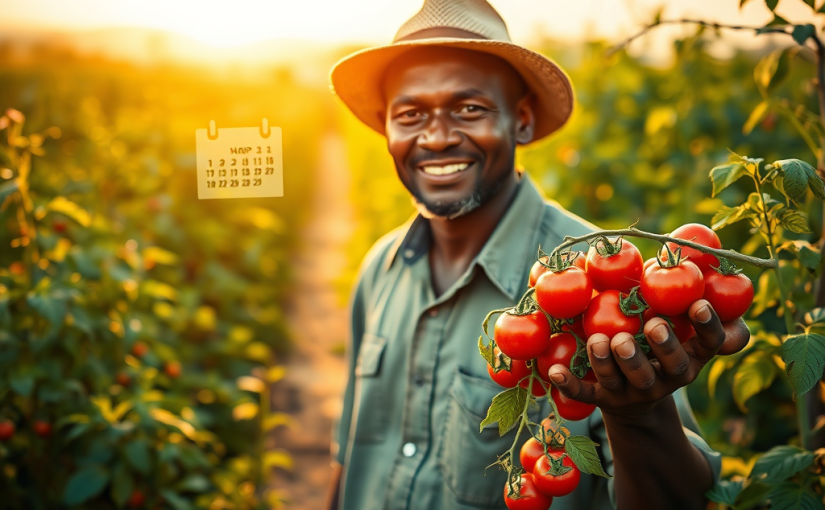






You must be logged in to post a comment.