Category: Management
-
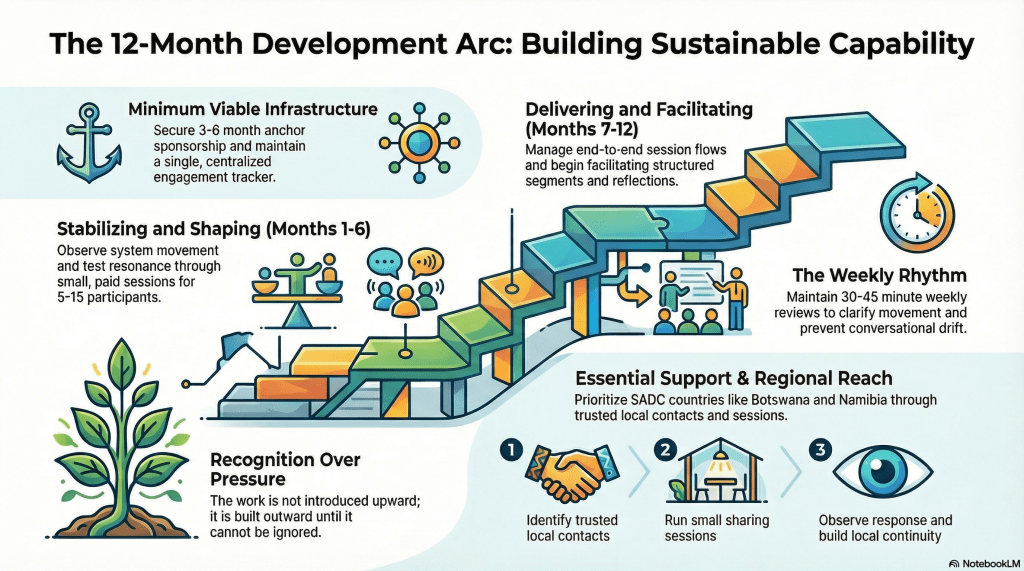
Structuring the Work for the Command Centre: A 12-Month Development Arc, Support System and Regional Reach
(STRLDi Operating Discipline in Practice) Task Assignment: Reabetswe Koosenye 1. THE POINT OF DEPARTURE When work begins to move, the instinct is often to expand — to reach out, to formalise, to build visibility. In practice, this is where most efforts begin to weaken, not strengthen, because movement is mistaken for readiness. What is required…
-

A Discovery Pedagogy for Systems Thinking by STRLDi
From Pattern Recognition to Structural Insight The exchange that unfolded in the group illustrates something important about how people actually learn systems thinking. Contrary to how the discipline is often taught, people do not first need definitions, diagrams, or lectures about system archetypes. They need something far simpler. They need to see a pattern that…
-

Scenario Planning as a Learning Discipline: From Arie de Geus to National Seeing
The text outlines a systematic approach to scenario planning, aimed at fostering organizational learning and preparedness rather than merely predicting outcomes. It details steps from identifying dominant futures to surfacing hidden assumptions, constructing scenarios, and translating them into behavioral graphs, ultimately identifying recurring archetypes and leverage points. This process is designed to reduce unexpected crises…
-
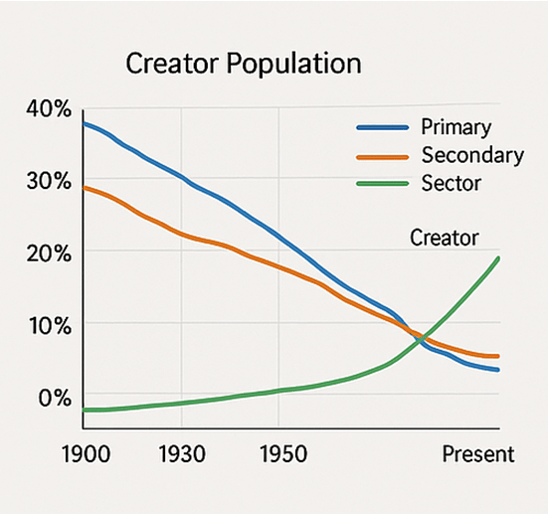
THE GREAT LABOUR MISALLOCATION:
The global attention economy is reshaping employment dynamics, particularly for youth, who increasingly divert their focus from foundational sectors to unstable digital careers. This shift leads to an oversupply of creators, low income stability, and potential societal impacts, threatening essential economic capacities and exacerbating issues like unemployment and mental health crises.
-
“Urgent Files”
A Case Study of the Fixes-That-Fail Archetype (STRLDi Compendium of System Archetypes — Draft Edition) “THE LEADERSHIP MIRROR” Every leader believes they are solving problems.Few notice that the problems are quietly solving them. The more effort they invest, the deeper the pattern takes hold — until exhaustion feels like purpose and urgency feels like success.…
-

When Seeds Take Root Across Continents
**Twenty-five years ago, two teachers changed the way I see the world.** This tribute is for **Daniel Kim and Diane Cory** — mentors and catalysts who shaped how I understand *The Fifth Discipline*, and how I have carried it across continents and generations. From our first sessions together in Singapore to the work unfolding today…
-
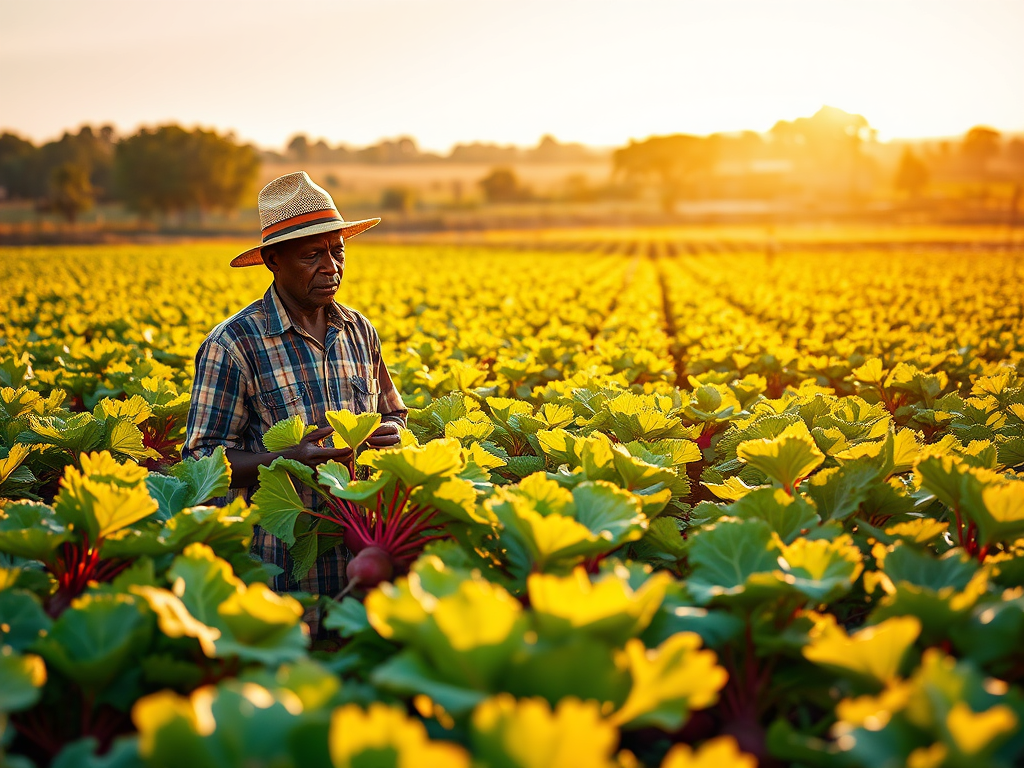
Understanding Botswana’s Horticulture: Profit Dynamics Explained
The economic dynamics of a kilogram of beetroot illustrate complex interdependencies among farmers, retailers, caterers, consumers, laborers, and the state. Price changes create ripples affecting all layers, often leading to inflation and diminished profits. Effective coordination and productivity improvements, especially through regenerative practices and STEM, are vital for stability and growth in Botswana’s horticulture. From…
-
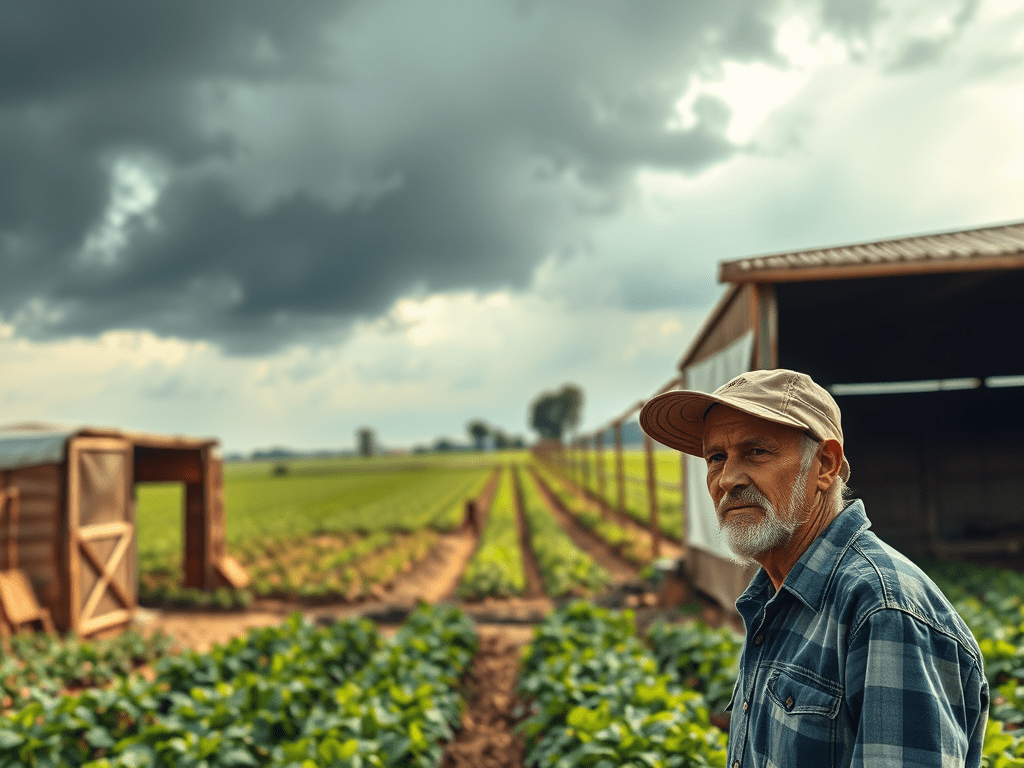
I Can Sleep When the Wind Blows: What Botswana’s Horticulture Needs Beyond Funding & Allocations
The parable “I Can Sleep When the Wind Blows” illustrates the importance of preparation, mirrored in agricultural practices and national budgeting. Effective industry planning, guided by STEM principles, ensures sustainable growth and stability. Without this backbone, the system falters, leading to volatility and inefficiency, hindering farmers and economic progress.
-

Horticulture Farmers Can’t Plant Blind: Why Botswana Needs a National Horticulture Coordination System
She had done everything right. Bought the seeds. Paid for inputs. Hired labour. Measured every drop of water. Watched over her crop with the kind of personal care only farmers understand. After weeks of nurturing, her cherry tomatoes gleamed on the vines — plump, red, and ready. She took them to the retailer who once…
-

Builders or Bystanders? Three Strategic Scenarios for Botswana’s STEM Future
Your thinking is incisive — and it touches a painful global fault line. ✳️ Introductory Paragraph: The world is not waiting. Nations are restructuring their economies, education systems, and regulatory frameworks to meet the demands of an AI-powered, STEM-led global future. That shift was happening as far back as 200 years ago. In the span…
-

When Matchsticks Meet Megawatts: Why STEM Matters in Regulation
Public servants’ regulatory styles adapt based on their understanding of systems, scale, and causality, influenced by their STEM training and the public’s literacy. STEM-trained regulators prioritize design-based control, while non-STEM counterparts often overregulate for self-preservation, risking bottlenecks and stifling innovation in agriculture and manufacturing.
-
From Institutional Stability to Retail Growth: Unlocking Botswana’s Horticulture Potential
Botswana’s professional horticultural farmers face growth limitations, reliant on institutional markets for stability. Retail and hospitality hold vast potential, necessitating structured partnerships, particularly with Sefalana. The proposed trial aims to increase local sourcing and empower farmers, enhancing aggregation and processing capabilities, ultimately positioning Botswana as a horticulture hub.
-

When Nature Speaks … His-story of Cattle Production in Botswana
The content details the historical and contemporary dynamics of cattle populations in Southern Africa, focusing on the impacts of rinderpest, land policies, and disease control. The article traces cattle population trends in Botswana, Zimbabwe, and South Africa, highlighting challenges such as malnutrition, drought, and socio-cultural values in cattle ownership, influencing production systems in the mind…
-
When Economy Speaks … Regional Shared Production Planning – SADC
The post discusses the challenges and opportunities for enhancing trade and production collaboration between Zambia and Botswana. It explores historical barriers such as colonial infrastructure and national self-sufficiency mindsets. The call for shared production planning emphasizes regional interdependence, addressing food security and economic resilience, while leveraging frameworks like AfCFTA for sustainable development.
-

Addressing Persistent Unemployment in Botswana: A Systems Thinking Approach (Part 2)
Botswana’s unemployment crisis is rooted in systemic issues like labor absorption gaps, skills mismatches, and household instability. Solutions require rebalancing educational priorities towards STEM, improving family structures, and fostering cross-sector economic coordination. A holistic design is essential to energize key sectors, ensuring sustainable employment and economic resilience amidst persistent challenges.
-

Addressing Persistent Unemployment in Botswana: A Systems Thinking Approach (Part 1)
Botswana has faced decades of investment without addressing the structural causes of high unemployment. This study employs systems thinking to highlight key systemic failures in absorbing the workforce, underperforming sectors, and value circulation. Solutions lie in redesigning economic structures for sustainable growth and job creation, challenging existing policies and practices.
-

Practicing Mentals Models – A Self Discipline
The content emphasizes the importance of mental models in self-discipline and personal transformation. It highlights that true change requires individual introspection, supportive guidance, and shared experiences. A personal journey illustrates how unresolved beliefs can hinder progress and how reframing these beliefs can reinvigorate one’s ambition and sense of value.
-

#13: Testing the Limits of Each Thinking by Situation Series: Manipulation
The content discusses the concept of manipulated mental models, emphasizing how controlling narratives maintains power across social layers. It argues that transparency can undermine authority and highlights the importance of recognizing the difference between protection and manipulation. By addressing hidden agendas, trust and empathy can improve relational dynamics.
-

#12: Testing the Limits of Each Thinking by Situation Series: Zero-Sum Assumption
The concept of “Winner Takes All” highlights the detrimental effects of zero-sum thinking within teams, leading to inward competition and information withholding. Successful collaboration requires challenging this mindset, fostering mutual purpose and interdependence. Various developmental frameworks illustrate the need for deeper dialogue and systemic reframing to promote shared success rather than individual victories.
-

#11: Testing the Limits of Each Thinking by Situation Series: Regions
The content discusses the concept of manipulated mental models, emphasizing how controlling narratives maintains power across social layers. It argues that transparency can undermine authority and highlights the importance of recognizing the difference between protection and manipulation. By addressing hidden agendas, trust and empathy can improve relational dynamics.
-

#10: Testing the Limits of Each Thinking by Situation Series: Nations
The post criticizes the exclusion of the informal sector from social protection frameworks, which often view aid as charity, fostering dependency. It calls for challenging assumptions about productivity by reframing inclusion as essential for national resilience and shared investment, promoting empathy and understanding among diverse community experiences.
-

#8: Testing the Limits of Each Thinking by Situation Series: Large-scale organizations
The developmental map for large-scale organizations outlines how biases in promotions persist due to entrenched mental models. It highlights beliefs about leadership fit and assumptions of vision’s exclusivity, which resist innovation. By questioning these models, organizations can foster shared meaning, feedback, and ultimately, greater adaptability and agility.
-

#7: Testing the Limits of Each Thinking by Situation Series: Small-scale organizations
Communities often prioritize family honor over personal truth, believing that speaking up about abuse invites shame. It’s crucial to distinguish between silence that safeguards and silence that enables harm. Encouraging open reflection fosters empathy and understanding, allowing individuals to appreciate each other’s experiences and journeys while addressing underlying issues.
-

#6: Testing the Limits of Each Thinking by Situation Series: Communities & Extended Families
Communities often prioritize family honor over personal truth, believing that speaking up about abuse invites shame. It’s crucial to distinguish between silence that safeguards and silence that enables harm. Encouraging open reflection fosters empathy and understanding, allowing individuals to appreciate each other’s experiences and journeys while addressing underlying issues.
-

#5: Testing the Limits of Each Thinking by Situation Series: Parents & Child
Parents 👭Imposing Life Path; Discipline interpreted as rejection The scenario for Parents & Child is now complete, with each developmental stage showing how parental control, care, and the child’s experience can be either reinforced or reimagined depending on the mental model lens. 👨👩👧 Parents & Child Parent imposing life path Assumption: “I know what’s best…
 Systems Thinking Research & Leadership Development Institute (STRLDi)