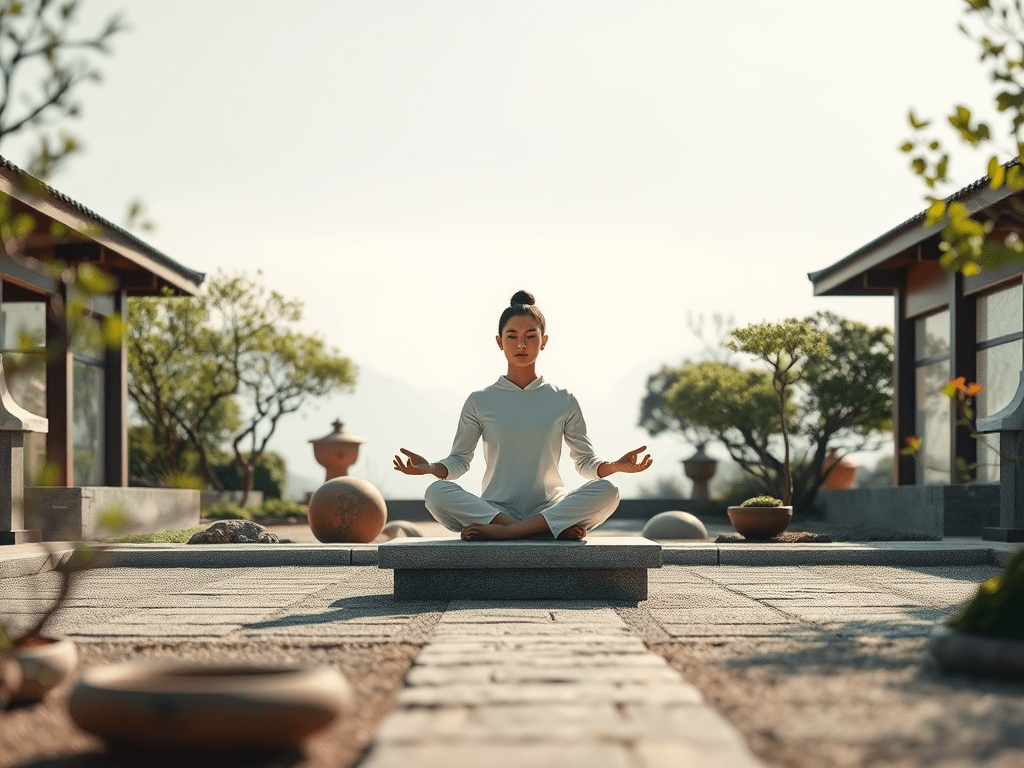
Here is a distilled list of key points from Eastern philosophy—especially Buddhism, Taoism, and Zen—that Peter Senge draws upon to define the intent and practice of Personal Mastery in The Fifth Discipline:
1. Seeing Reality Clearly (Buddhism)
“The ability to see reality clearly is central to wisdom.”
- Senge stresses the importance of facing current reality honestly, without denial or distortion.
- This mirrors the Buddhist principle of mindfulness (sati)—nonjudgmental awareness of what is.
- Without clarity of the present, no meaningful learning or change is possible.
🔹 Personal Mastery → Clear, unflinching awareness of present conditions without illusion.
2. Non-Attachment (Buddhism & Taoism)
“Letting go does not mean inaction—it means freedom from control and obsession.”
- Personal Mastery is not about clinging to goals, control, or outcomes.
- From Taoism, Senge draws on the idea of wu wei (non-forcing action): flowing with the natural order.
- From Buddhism, he draws on detachment from results, which frees the individual to act wisely and intentionally.
🔹 Personal Mastery → Holding your vision lightly while acting with deep commitment.
3. Discipline and Daily Practice (Zen Buddhism)
“Practice is not about getting somewhere—it is about being fully where you are.”
- Senge emphasizes Personal Mastery as a discipline, not a destination.
- This echoes Zen practice: daily sitting, breathing, walking, all meant to bring presence and stillness.
- Growth is cumulative through repetition, awareness, and inward attention.
🔹 Personal Mastery → Quiet, consistent practice to align inner and outer life.
4. The Observer Self (Buddhist Psychology)
“The self who observes is not the same as the self who reacts.”
- Eastern traditions teach the importance of self-observation—becoming the “witness” to one’s thoughts and emotions.
- Senge references this in helping people separate who they are from what they feel or think at any moment.
- This practice enables learners to see limiting beliefs and unlock new options.
🔹 Personal Mastery → Cultivating the self as observer, not prisoner of impulses or identity.
5. The Tao – Living in Harmony with Natural Forces
“When nothing is done, nothing is left undone.” — Lao Tzu
- Senge sees this as a call to alignment, not dominance.
- True mastery does not seek to impose will, but to align with deeper truths and flows.
- Like Taoist leadership, it means acting with the grain of systems, not against them.
🔹 Personal Mastery → Living in conscious alignment with nature, truth, and purpose.
6. Interdependence and Wholeness (Buddhism)
“To understand anything, you must see it in relation to the whole.”
- This idea supports Senge’s systems thinking lens.
- The self is not separate—it is nested within wider systems (family, organization, society, nature).
- The self grows through connection, not isolation.
🔹 Personal Mastery → Learning is not personal alone—it’s a doorway into greater wholeness.
7. The Middle Way (Buddhism)
“Avoid extremes; seek balance and harmony.”
- Senge emphasizes avoiding the extremes of denial and overreaction.
- Personal Mastery is holding paradox—vision and reality, aspiration and limitation.
- It’s the art of staying in the tension without collapse or imbalance.
🔹 Personal Mastery → A middle path between spiritual intensity and grounded realism.
🔍 Summary Table
| Eastern Philosophy Insight | Reflected in Personal Mastery Practice |
|---|---|
| Clear Seeing (Mindfulness) | Objective awareness of reality |
| Non-Attachment | Commitment without obsession |
| Daily Discipline | Ongoing personal practice |
| Observer Self | Developing awareness of self as witness |
| Taoist Harmony (Wu Wei) | Acting in alignment with natural systems |
| Interdependence | Seeing oneself in relation to the whole |
| The Middle Way | Navigating creative tension without collapse |
 Systems Thinking Research & Leadership Development Institute (STRLDi)
Leave a comment