Category: Country
-
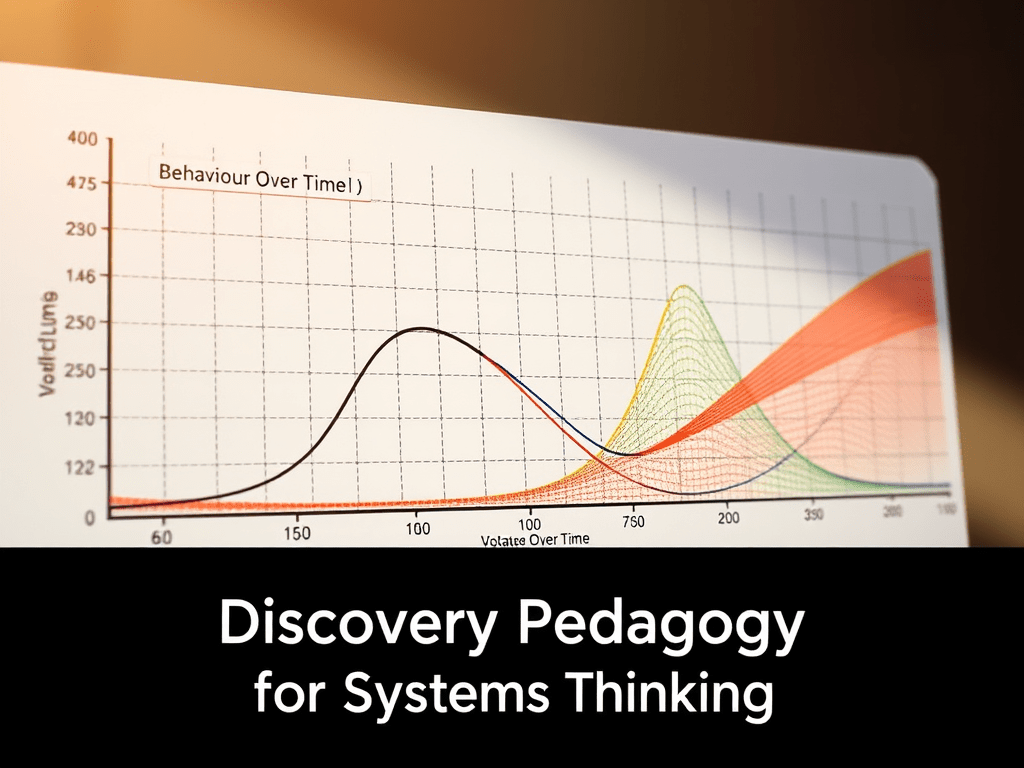
A Discovery Pedagogy for Systems Thinking by STRLDi
From Pattern Recognition to Structural Insight The exchange that unfolded in the group illustrates something important about how people actually learn systems thinking. Contrary to how the discipline is often taught, people do not first need definitions, diagrams, or lectures about system archetypes. They need something far simpler. They need to see a pattern that…
-
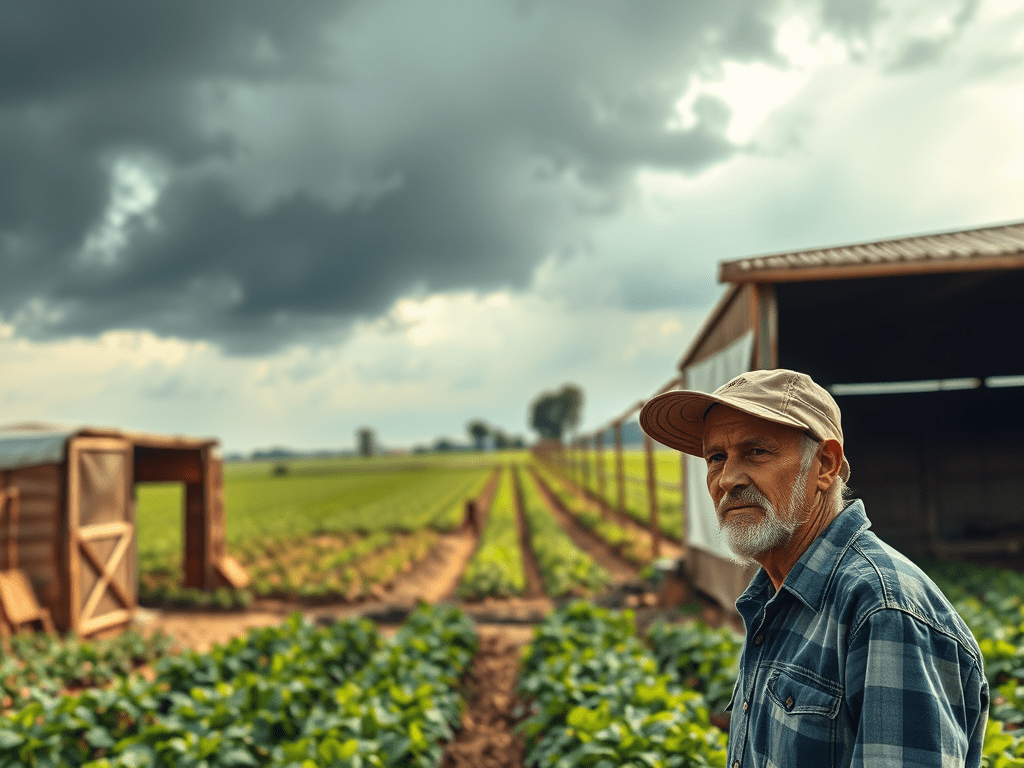
I Can Sleep When the Wind Blows: What Botswana’s Horticulture Needs Beyond Funding & Allocations
The parable “I Can Sleep When the Wind Blows” illustrates the importance of preparation, mirrored in agricultural practices and national budgeting. Effective industry planning, guided by STEM principles, ensures sustainable growth and stability. Without this backbone, the system falters, leading to volatility and inefficiency, hindering farmers and economic progress.
-

Horticulture Farmers Can’t Plant Blind: Why Botswana Needs a National Horticulture Coordination System
She had done everything right. Bought the seeds. Paid for inputs. Hired labour. Measured every drop of water. Watched over her crop with the kind of personal care only farmers understand. After weeks of nurturing, her cherry tomatoes gleamed on the vines — plump, red, and ready. She took them to the retailer who once…
-

Builders or Bystanders? Three Strategic Scenarios for Botswana’s STEM Future
Your thinking is incisive — and it touches a painful global fault line. ✳️ Introductory Paragraph: The world is not waiting. Nations are restructuring their economies, education systems, and regulatory frameworks to meet the demands of an AI-powered, STEM-led global future. That shift was happening as far back as 200 years ago. In the span…
-

When Matchsticks Meet Megawatts: Why STEM Matters in Regulation
Public servants’ regulatory styles adapt based on their understanding of systems, scale, and causality, influenced by their STEM training and the public’s literacy. STEM-trained regulators prioritize design-based control, while non-STEM counterparts often overregulate for self-preservation, risking bottlenecks and stifling innovation in agriculture and manufacturing.
-
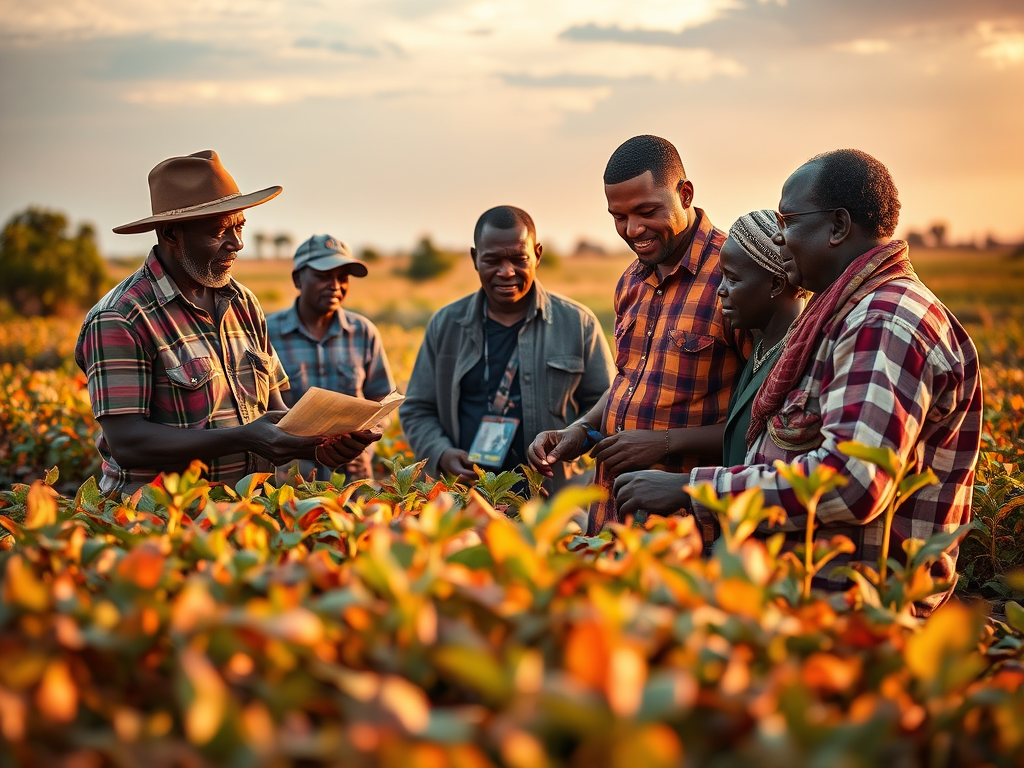
Centrally Coordinated Agricultural Production – What That Means For Botswana
The content discusses a model of centrally coordinated agricultural production, distinguishing it from nationalization. It highlights countries successfully using this approach, emphasizing collaboration between governments and farmer associations to meet national and export demands. The text outlines challenges faced by countries like Botswana in adopting similar systems, proposing a 10-year transformation map for improved agricultural…
-

When the World Speaks …. Governance BW
The content discusses Botswana’s evolving governance structures amidst economic diversification needs, given a projected population growth to 5-8 million and a GDP target of $60-100 billion. It categorizes the current government into Ministries, Parastatals, and Public-Private Partnerships, emphasizing the distribution of roles for economic growth. The analysis highlights successful manufacturing sectors in other countries, suggesting…
-

When the World Speaks … National Development
The piece reflects on President Duma Boko’s vision for transforming Botswana’s economy from dependency to a performance-driven approach, emphasizing the roles of the public and private sectors in national development. It advocates for a self-sustaining economy founded on STEM capabilities and best practices in governance. Key themes include redefining government’s purpose, empowering the private sector…
 Systems Thinking Research & Leadership Development Institute (STRLDi)