
From Insight to Practice
Understanding persistent issues is one step.
Learning to see, engage, and work with the structures producing them is another.
This training develops the disciplines required to move from analysis to practice in real systems—within organisations, sectors, and national contexts.
Leaving an indelible mark on the landscape of tomorrow.

What This Training Develops
▪ The ability to see patterns over time, not just events
▪ The discipline to distinguish fixes from structural change
▪ The capacity to work with reinforcing and balancing dynamics
▪ The grounding to apply systems thinking within real-world constraints
▪ The development of personal and collective mastery in practice
Grounded in The Fifth Discipline
This training is grounded in The Fifth Discipline by Peter Senge, and develops the five core disciplines:
▪ Personal Mastery
▪ Mental Models
▪ Shared Vision
▪ Team Learning
▪ Systems Thinking
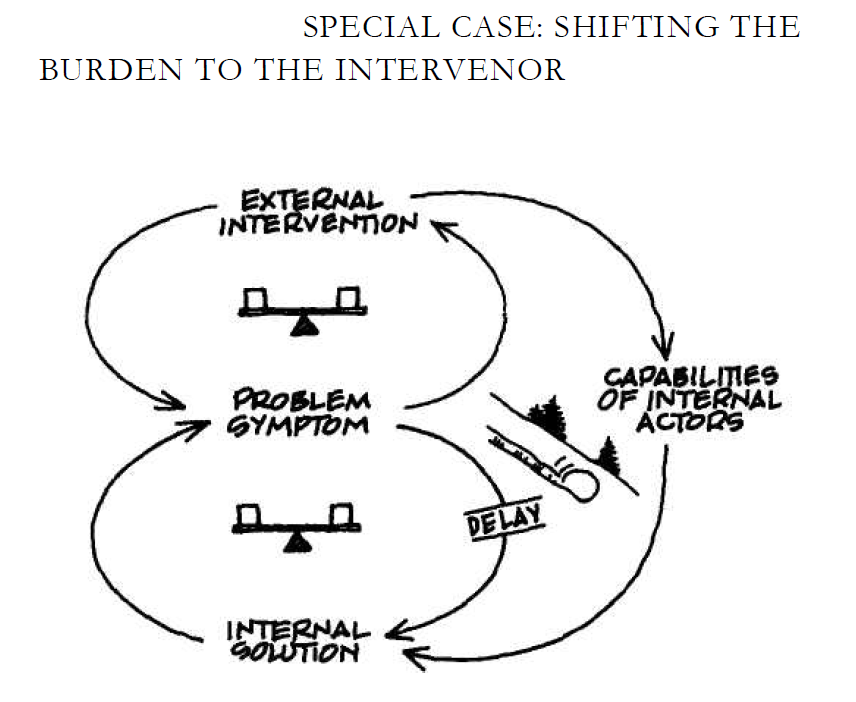
While these are widely referenced, this work places emphasis on their integration in practice, particularly in contexts where outcomes persist despite intervention.
Not Another Training Programme
This is not a programme designed to transfer knowledge or improve performance within existing structures.
It is designed to:
▪ Surface how current systems are producing outcomes
▪ Build the discipline to work with structure, not symptoms
▪ Support participants in applying learning to real, ongoing issues
Programme Structure
Programmes are conducted over extended periods to allow learning, application, and reflection.
▪ Regular structured sessions (weekly / modular)
▪ Application to real work contexts
▪ Reflection and dialogue-based learning
▪ Development of individual and collective practice
Participants
This training is designed for individuals working within systems where outcomes persist despite effort.
▪ Government and policy practitioners
▪ Sector and programme leaders
▪ Researchers and analysts
▪ Development practitioners
▪ Professionals working across complex systems
When This Training Is Relevant
If the issue you are working on can be resolved through improved management, coordination, or tools—this training is not required.
If the issue persists despite intervention, then learning to see the structure behind it becomes necessary.
Starting Point
For those new to this work, engagement typically begins with a research study, such as the Unemployment Study, before moving into structured practice.
👉 [Insert link]
From Learning to Practice
The intention is not to produce trained individuals, but to develop practitioners who can work with systems as they exist, and contribute to shaping outcomes over time.
Learn Who’s Who in The Fifth Discipline

Peter Senge
Founding chair of the Society for Organizational Learning (SoL)
Chris Argyris
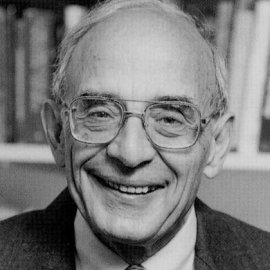
Chris Argyris (1923–2013) was a renowned American business theorist, professor, and a seminal figure in the fields of organizational behavior, learning, and development

Kenneth Craik
Kenneth James William Craik (/kreɪk/; 1914 – 1945) was a Scottish philosopher and psychologist. In 1943 he wrote The Nature of Explanation.[7] In this book he first laid the foundation for the concept of mental models,[8][9] that the mind forms models of reality and uses them to predict similar future events. He is recognized as one of the pioneers of modern cognitive science.

Robert Fritz
Robert Fritz is a renowned author, composer, filmmaker, and management consultant known for developing “structural dynamics,” a framework for understanding how underlying structures influence behavior.
Enhance your journey with STRLDi.
- Collaborate with fellow learners.
- Showcase your projects.
- Experience the world of The Fifth Discipline.

 Systems Thinking Research & Leadership Development Institute (STRLDi)
You must be logged in to post a comment.